
Blog

Our Blog

No, being a ‘positive mother’ is not meant as being a ‘Perfect mother’. Read it loud!

No mother is perfect, but yes, with proper ways, you can be a positive mother of course! Being a mom is one of the most rewarding yet challenging roles a woman can take on. Many struggles come in the mom’s life, but knowing how to deal with the game is the deal. From sleepless nights to endless diaper changes, the journey of motherhood is filled with ups and downs. One of the key factors that can greatly impact a mother’s experience is her mindset. Being a positive mom not only benefits the mother herself but also has a positive impact on her children and the entire family dynamic.

The Importance of Positivity in Parenting

A smile is not the only thing that constitutes positivity. It’s about cultivating a mindset that allows you to see the good in every situation, no matter how challenging. As a positive mom, you are better equipped to handle the inevitable stresses of parenting and can approach each day with a sense of optimism and resilience.

Tips For All Moms –

Practice Gratitude: Saying thank you can help! This easy exercise can help you turn your attention from what’s going wrong to what’s going right. Set aside some time each day to think about the things you have to be thankful for.

Accept Things: Every day with young children will be unique. Even if you have a well-planned day, a single tantrum might throw it off. Try not to become anxious about it! Simply pay attention to what your kid needs and provide it. You don’t need to complete every task in a single day.

Focus on the Positive: Instead of dwelling on your parenting mistakes or shortcomings, focus on your strengths and accomplishments as a mother. Celebrate the small victories, like getting through a difficult day with grace.

Take Care of Yourself: Self-care is essential for maintaining a positive mindset. Make time for activities that nourish your body and soul, whether it’s yoga, meditation, or simply taking a walk in nature.

Be Mindful of Your Words and Actions: Your children are always watching and learning from you. Be mindful of the words you speak and the actions you take, as they can have a lasting impact on your children’s outlook on life.

Meditate: Incorporate meditation into your daily routine to help center your mind and reduce stress.

Get Expert Training: Consider seeking expert training on newborn baby care or guidance to enhance your parenting skills and approach.

Expert Parental Nutrition Consulting: Consult with a nutrition expert to ensure you and your family are getting the best nutrition for overall health and well-being.

Childbirth Education Class: Attend childbirth education classes to prepare yourself mentally and physically for the birthing process and early postpartum period.

Develop Self-Compassion: Being a mother is a journey with many highs and lows. During difficult moments, practice self-compassion and kindness toward oneself.

Lastly, when doing all these, don’t skip your sleep. Sometimes it is recommended to call certified newborn baby care specialists at home. By doing so you can’t focus more on yourself and give your kids better parenting.

Conclusion

Being a positive mom is a journey that requires effort and intentionality. By cultivating a positive mindset and incorporating these strategies into your daily life, you can become a positive force in your children’s lives and create a happy and healthy family dynamic.


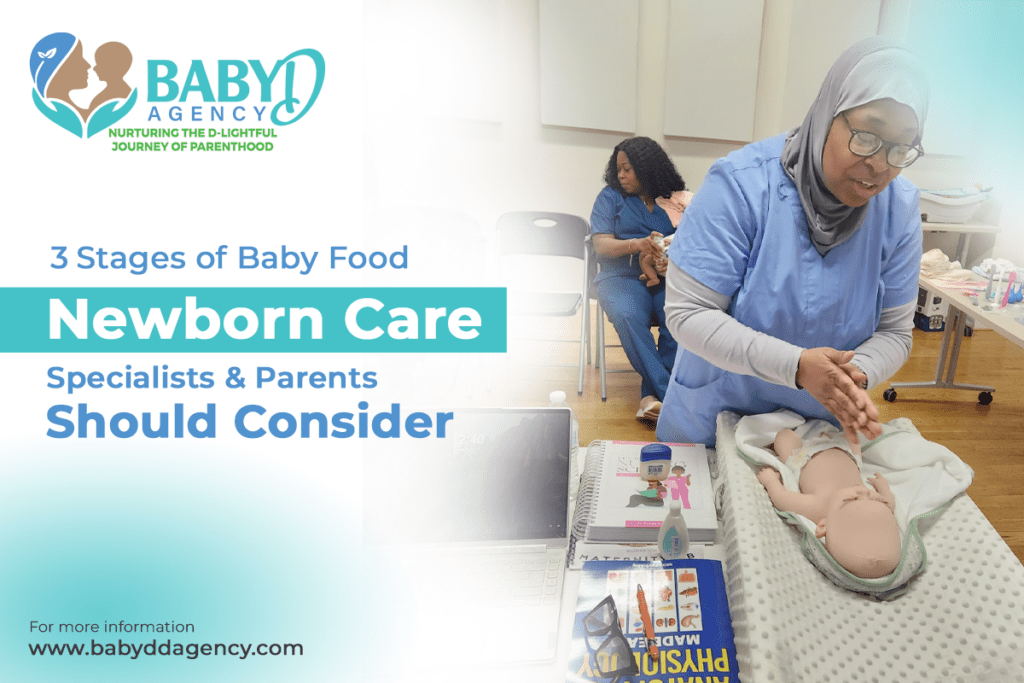
Food leaping, starting from breast milk to table food, is a crucial part of a baby’s development
cycle. To make sure your little one is getting the right nutrition it is important to follow this cycle
properly. But for every new parent, the whole process might be confusing as you can’t find a
one-size-fits-all for all the toddlers. But there is nothing to be bothered about as newborn baby
care
specialists in BabyD Agency have the proper idea about all the stages involved. Get to
know more about them so you also have a profound idea of the upcoming lies of the blog.

Stages of Baby Food: Crucial to know for caring for your newborn

Before you delve into the stagewise food, first get to know about the stages.

● Stage 1 ( ranges from 4 to 6 months)
● Stage 2 ( 6 to 9 months)
● Stage 3 ( 10-12 months)

Stage 1 (4 to 6 months)- Time for Purees

As per the suggestion of AAP, breastmilk would be the best meal for the kids at this phase. But
all babies are not the same, and some of them might be ready to have other food at this period.
Purees of stage 1 should be as smooth and thin as the breastmilk so your newborn can have it
safely.

And some of the signs show clearly that you can give purees to your newborn. These signs are:

● Showing interest in other’s food
● Steady control over the head
● Learned to open mouth for a spoon
● Developed the capacity to swallow food from the spoon without chocking the throat

Stage 2 ( 6 to 9 months)- the right time to move to thicker consistency food

As suggested by the doctors at this phase, your toddlers should be able to move towards solid
food with a thicker consistency. The healthiest food you can introduce to your little one at this
stage is mashed food and vegetables. Sweet potatoes, carrots, scrambled eggs, and avocados
are some options you may try during that phase. Like the earlier one, here also are some
distinct signs that show their readiness to have this food. These include:

● Continuously developed oral skills
● Developed capacity for food swallowing

However, if new mom-dads any difficulty arises in recognizing such signs worry no more. Our
professional baby care specialists will be there to take care of the whole thing!

Stage 3 ( 10-12 months)- Your little one is ready to have soft chewable table food

So, it’s the time when your child develops a tendency to become a little foodie. It’s the perfect
time to experiment with their food choices. Try to give soft chewable food at this time so you can
get an idea of their chewing skill as well. But at the same time, don’t forget to follow the safety
measures. Be sure to smash the food properly so your little one does not have any difficulty at
the chewing and swallowing time. Here are the signs for your little one ready to consume the big
kid food.

● Properly developed chewing swallowing skill
● Interest in having the dishes
● Picking up food and bringing them to mouth on their own

How BabyD Agency Can Help?

So as said before, we are always here by your side to assure your little one is getting the right
food safely according to their age group. Count on our professional newborn care services
and expect the best. Some of the best reasons to deal with our newborn care specialists
include:

● We believe each baby is different and focus on prioritizing their unique needs.
● We have an experience of 20 years in the newborn care field, and we choose baby care
specialists with the right expertise.
● We will make sure your toddler’s food is prepared in the right way that can give you the
best nutrition.
● We have a team of specialists who love to do their work with the fullest dedication and
compassion.

Conclusion

So, avoid spending long hours thinking about selecting the right food for your newborn or
toddler. Let BabyD Agency handle this requirement and see your baby growing optimally, having
the right food at the right time. Choose our baby care specialists from us now.

Welcoming a newborn into your family is a joyous occasion, accompanied by the responsibility of ensuring their health and well-being. One of the primary concerns for new parents is ensuring that their baby is receiving adequate nutrition. In this blog, we’ll explore how to know if your baby is getting enough to eat and provide insights into newborn care services, newborn care at home, centers for postpartum health, and professional newborn care.

Signs Your Baby Is Getting Enough To Eat

Every baby is unique, and growth patterns can vary. However, there are some general signs that your baby is eating enough:

1. Regular Wet Diapers: Your baby should have at least six to eight wet diapers a day. These diapers should be relatively heavy, indicating that your baby is consuming an adequate amount of fluids.

2. Regular Bowel Movements: Your baby should have at least one bowel movement a day. If your baby is not producing enough stools, it may indicate that they are not taking in enough nutrition and may require additional feedings.

3. Healthy Weight Gain: It is important to track your baby’s weight and consult with your pediatrician to ensure that they are gaining weight appropriately. Babies should gain about 2-4 ounces per week, depending on their age and size.

4. Happy and Alert: A well-nourished baby will be alert, content, and content between feedings. If your baby is lethargic or irritable, it may indicate that they are not getting enough to eat.

In addition to monitoring these signs, it is also important to follow the advice of your pediatrician and adhere to any recommended feeding schedules. Your baby’s healthcare professional can provide personalized guidance and recommendations based on your baby’s individual needs.

Providing optimal nutrition for your baby requires a multifaceted approach. Here are some essential tips:

1. Breastfeeding or Formula Feeding: Breastfeeding or formula feeding should be directed by your healthcare professional. They can provide expert advice on proper technique, frequency, and quantity of feedings.

2. Proper Breastmilk Storage: If you are breastfeeding, it is important to store breastmilk properly to ensure that it remains fresh and safe for your baby. Follow manufacturer guidelines and use sterilized bottles and nipples.

3. Topping Up: If your baby seems hungry after their normal feeding time, it is okay to offer a top-up feeding. This can be in the form of an extra bottle or breastfeeding session, depending on your preference.

4. Eating Routine: Establishing a regular eating routine can help ensure that your baby is getting enough to eat. Stick to a consistent schedule, as outlined in your pediatrician’s recommendations.

5. Healthy Diet: A balanced diet is important for both breastfed and formula-fed babies. Include a variety of nutrient-rich foods, such as fruits, vegetables, whole grains, and lean proteins.

Remember, every baby is different, and growth patterns may vary. If you have any concerns or questions about your baby’s eating habits, it is important to consult with your healthcare professional. They can provide personalized guidance and support to help ensure that your newborn receives the necessary nutrition for healthy growth and development.

Newborn Care Services and Support

For new parents, navigating the intricacies of newborn care can be overwhelming. This is where newborn care services come into play. These services encompass a range of support, including lactation consultation, postpartum care, and guidance on newborn care practices.

Newborn Care at Home: Tips for Parents

  • Create a calm and soothing environment for feeding sessions.
  • Practice skin-to-skin contact to promote bonding and breastfeeding.
  • Learn to recognize hunger cues and respond promptly.
  • Seek professional guidance if you encounter challenges or have concerns about your baby’s feeding habits.

Center for Postpartum Health: A Resource for New Parents

The Center for Postpartum Health is a valuable resource for new parents, offering a wealth of information, support groups, and workshops on newborn care, breastfeeding, and postpartum wellness. Utilize these resources to gain knowledge and connect with other parents.

Benefits of Professional Newborn Care

Engaging professional newborn care services provides numerous benefits, including:

  • Expert guidance on breastfeeding, infant care, and postpartum recovery.
  • Access to lactation consultants for addressing breastfeeding challenges.
  • Peace of mind knowing that your baby’s health and well-being are in capable hands.

Conclusion

Being attentive to your baby’s feeding cues and monitoring their growth and development are key aspects of ensuring they are getting enough to eat. Leverage the support of newborn care services, seek guidance from professional newborn care providers, and utilize resources such as centers for postpartum health to navigate the exciting journey of parenthood with confidence.

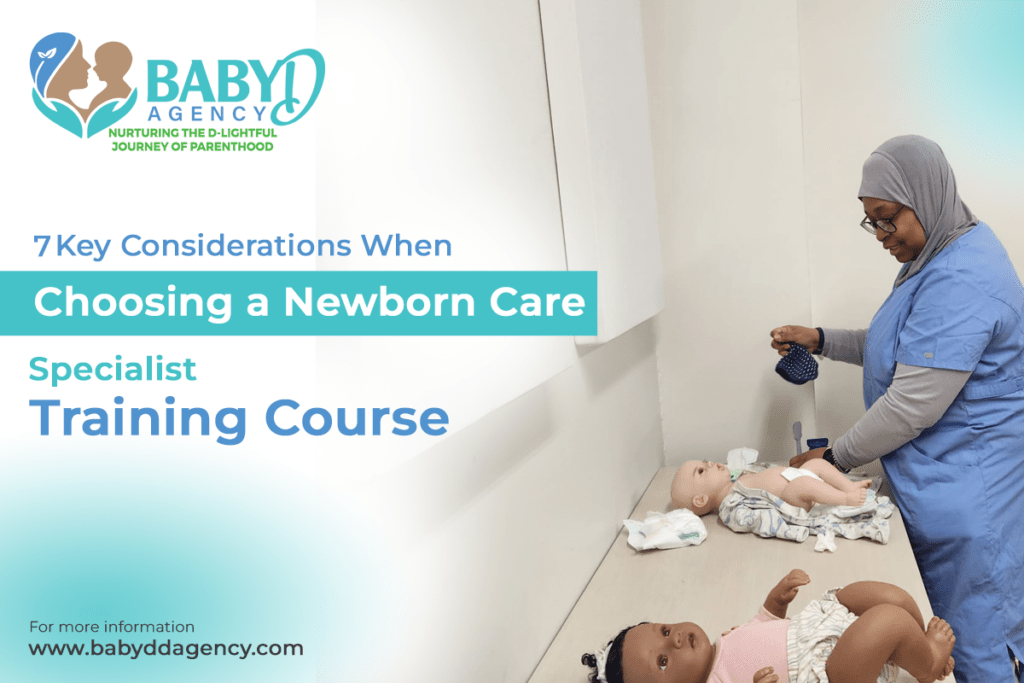
Starting your journey to become a skilled and trained newborn care specialist is an exciting adventure that offers plenty of chances to help families during their first steps into parenthood. However, selecting the right training course is crucial for laying a strong foundation for this career. To help you make an informed and successful decision, here are seven essential considerations to keep in mind when choosing a newborn care specialist teaching course:

  1. Comprehensive Curriculum: The base of any quality training program is a comprehensive curriculum that covers a wide range of topics essential for newborn care. Look for courses that delve into areas such as feeding techniques, infant hygiene, sleep training methodologies, diaper changing, optimizing nursery strategies, and of course, postpartum support strategies.
    A well-rounded newborn care specialist teaching course ensures that you acquire the necessary knowledge and skills to confidently support new parents and their newborns.
  2. Practical Training Opportunities: While theoretical knowledge is essential, real-life or practical experience is invaluable in a sensitive task like taking care of newborns. So, seek out courses that offer practical training sessions where you can apply your learning in real-life scenarios. These hands-on experiences allow you to refine your skills, build confidence, and effectively handle various aspects of newborn care under the guidance of experienced instructors.
  3. Accreditation and Certification: Ensure that the newborn care specialist teaching course you choose is accredited by reputable organizations within the childcare industry. Accreditation not only validates the quality and credibility of the program but also enhances your professional credentials as a newborn care specialist. Besides, earning a recognized certification demonstrates your commitment to excellence and can boost your career prospects in this competitive field.
  4. Experienced Instructors: The experience of the instructors plays a huge role in shaping your learning experience and skill development. So when searching for these curriculums, give preference to the institutes with trainers who have extensive experience in newborn care and education. Their practical insights, real-world knowledge, and personalized instruction can provide invaluable mentorship as you navigate the complexities of newborn care.
  5. Flexibility and Accessibility: Consider the format and scheduling options offered by BabyD Career Learning to ensure they align with your personal commitments and learning preferences. Whether you prefer traditional classroom-based instruction, online learning modules, or a hybrid approach, choose a course that offers flexibility and accessibility. This flexibility enables you to balance your training with other responsibilities, such as work or family obligations, without compromising on the quality of education.
  6. Alumni Success Stories: Take a look at the previous success stories and testimonials of past students who have completed the training course. Hearing firsthand accounts of their experiences and career trajectories can provide valuable insights into the effectiveness and impact of the program. Positive testimonials and reviews from satisfied alumni serve as a testament to the quality of education and the course’s ability to prepare students for success in the field of newborn care.
  7. Post-Training Support: Transitioning from training to real-life practice can be a challenging process, which is why post-training support is essential. Look for newborn care specialist teaching courses that offer continuing support and resources, such as job placement assistance, networking opportunities, and mentorship programs. These support mechanisms can facilitate a smooth transition into your new role as a newborn care specialist and provide invaluable guidance as you embark on your career journey.

By carefully considering these key factors, you can make an informed decision when choosing a newborn care specialist teaching course that aligns with your goals, aspirations, and learning needs. Remember, investing in quality education is the first step towards a successful and fulfilling career in newborn care.

Choose Our BabyD Career Learning Courses

Are you ready to start on your journey as a newborn care specialist? Look no further than BabyD Agency. The comprehensive training program of this trusted agency covers all aspects of newborn care, equipping you with the skills and confidence to excel in this rewarding field.

With a focus on practical training, accreditation, and experienced instructors, our course ensures you receive the highest quality education. Join our community of successful alumni who have transformed their passion for childcare into fulfilling careers.

At BabyD Agency, we’re committed to supporting you every step of the way, from training to job placement. Crucial aspects our newborn care specialists’ teaching courses cover include making learners acquainted with baby product recommendations, ways to give much-needed mental support to the new mom, sleep training for the baby, and all other key aspects. Choose the encompassing newborn care specialists teaching courses from BabyD Agency and proceed towards a fulfilling career dedicated to nurturing newborns and supporting new parents.

Are you passionate about caring for newborns and supporting new parents during this precious phase of life? Becoming a certified newborn care specialist could be the perfect career path for you. In this blog, we’ll explore what it takes to become a newborn specialist training, focusing on top locations like New York, Texas, California, and Chicago. Whether you’re looking to start your own business or join a reputable agency, obtaining certification is the first step towards becoming a trusted professional in this field.

Why Choose Newborn Care Specialist Certification?

Newborn care specialist certification offers numerous benefits, including comprehensive training, specialized knowledge, and increased job opportunities. By enrolling in a reputable newborn care training Academy, you’ll gain valuable skills and expertise to excel in this rewarding career. Let’s delve into the course outline to understand what you can expect from your training:

Course Outline:

  1. Baby Product Recommendations: Learn about essential baby products, from diapers and wipes to soothing creams and baby carriers. Understanding the best products ensures you can provide optimal care for newborns.
  2. Assisting with Latching and Breastfeeding: Master techniques to assist mothers with proper latching and breastfeeding positions, promoting a positive feeding experience for both mother and baby.
  3. Emotional Support and Physical Comfort: Provide emotional support and physical comfort to mothers, helping them navigate the challenges of postpartum recovery and newborn care.
  4. Laundry Care: Learn the best practices for washing and folding baby’s laundry, ensuring cleanliness and hygiene at all times.
  5. Nursery Cleaning: Understand the importance of cleaning and optimizing the baby’s nursery, to create a safe and healthy environment for the newborn.
  6. Bottle Sterilization: Master the art of washing and sterilizing baby bottles, maintaining hygiene, and preventing contamination.
  7. Baby’s Bath Time: Learn how to safely bathe a newborn, including temperature regulation and gentle cleansing techniques.
  8. Circumcision Care: Gain knowledge about circumcision care, including wound care and monitoring for any signs of complications.
  9. Diaper Changing: Master diaper-changing techniques, including proper disposal and hygiene practices.
  10. Swaddling, Burping, and Soothing Techniques: Explore effective techniques for swaddling, burping, and soothing newborns, promoting comfort and relaxation.
  11. Establishing Healthy Sleep Patterns: Learn strategies to help newborns establish healthy sleep patterns, promoting restful sleep for both baby and parents.
  12. Training Baby to Sleep Through the Night: Understand how to gradually train a baby to sleep through the night, promoting better sleep quality for the entire family.
  13. Social Interaction: Explore the importance of social interaction for newborns, including playtime and bonding activities.

Locations for Newborn Care Specialist Certification:

  • New York: Known for its diverse population and bustling city life, New York offers excellent opportunities for certified newborn specialist training. Join reputable training programs in the city to kickstart your career.
  • Texas: With its growing population and thriving healthcare industry, Texas is an ideal location to pursue newborn care specialist certification. Explore accredited training academies in major cities like Houston and Dallas.
  • California: Home to numerous families seeking quality newborn care services, California is a promising destination for certified specialists. Consider training programs in cities like Los Angeles and San Francisco.
  • Chicago: The vibrant city of Chicago presents opportunities for certified newborn care specialists to work with diverse families. Enroll in top-notch training programs to become a sought-after professional in the region.

Conclusion:

Becoming a certified newborn care specialist opens doors to a fulfilling career dedicated to nurturing and supporting newborns and their families. By completing a comprehensive training program and obtaining certification, you’ll be well-equipped to provide exceptional care and make a positive impact in the lives of new parents. Take the first step towards excellence in newborn care today!

Ensuring healthy sleeping practices for newborns is not just about achieving peaceful nights; it’s about promoting optimal growth, development, and well-being. At BabyD Agency, we understand the importance of quality sleep for infants and the challenges parents face in establishing healthy sleep habits. 

In this comprehensive guide, we’ll explore the effects of healthy sleeping practices, the pitfalls of neglecting them, and provide essential dos and don’ts for newborn care at home.

The Effects of Healthy Sleeping Practices

Healthy sleeping practices are foundational to a newborn’s overall health and development. Adequate sleep promotes physical growth, cognitive development, and emotional regulation. It strengthens the immune system, enhances learning and memory consolidation, and supports emotional resilience. 

Moreover, establishing consistent sleep routines fosters a sense of security and predictability for both the baby and the parents, leading to reduced stress levels and improved family dynamics.

The Disadvantages of Neglecting Healthy Sleeping Practices

Conversely, neglecting healthy sleeping practices can have profound consequences on a newborn’s well-being. Insufficient or disrupted sleep can compromise immune function, impair cognitive function, and disrupt emotional regulation. It may lead to irritability, fussiness, and difficulty in soothing the baby. 

Prolonged sleep deprivation in infants has also been linked to developmental delays, behavioral problems, and an increased risk of obesity and chronic health conditions later in life.

Guidelines for Healthy Sleep Habits: What to Do and What to Avoid

Dos:

  1. Establish a Consistent Bedtime Routine: Create a soothing bedtime routine that signals to your baby that it’s time to wind down and prepare for sleep such as a warm bath, a gentle massage, or even reading a bedtime story.

    Consistency is key, as it helps your baby associate these activities with sleep and prepares them for a restful night. 

  2. Create a Safe Sleep Environment: Ensure that your baby’s sleep environment is safe and conducive to restful sleep. Ensure that your infant sleeps on their back, within a crib or bassinet featuring a sturdy mattress and devoid of any loose bedding or plush toys. Maintain a cool, quiet, and dimly lit environment in the room.
    Removing potential hazards reduces the risk of accidents and promotes uninterrupted sleep.
  3. Follow the ABCs of Safe Sleep: Remember the ABCs of safe sleep: Alone, on their Back, and in a Crib. Avoid bed-sharing or co-sleeping with your baby, as it increases the risk of suffocation, Sudden Infant Death Syndrome (SIDS), and accidents. Your baby should sleep in their own safe sleep space to reduce the risk of sleep-related incidents. 
  4. Encourage Daytime Naps: Promote healthy sleep patterns by ensuring your baby gets enough daytime naps. Pay attention to your baby’s sleep cues and offer opportunities for naps in a quiet, dimly lit environment. Daytime naps are essential for consolidating nighttime sleep and preventing overtiredness, which can disrupt sleep patterns. 
  5. Respond Promptly to Nighttime Needs: While it’s essential to encourage self-soothing skills, respond promptly to your baby’s nighttime needs for feeding, diaper changes, and comfort.
    This fosters a sense of security and trust in the parent-child bond. Attending to your baby’s needs promptly fosters feelings of security and ease, leading to quicker resumption of sleep for both you and your baby.

Don’ts:

  1. Don’t Overstimulate Before Bed: Avoid stimulating activities such as vigorous play or screen time close to bedtime, as it can make it difficult for your baby to settle down and fall asleep. Overstimulation can lead to heightened arousal and difficulty transitioning to sleep, prolonging the bedtime routine and delaying sleep onset. 
  2. Don’t Ignore Sleep Cues: Learn to recognize your baby’s sleep cues, such as eye rubbing, yawning, or fussiness, and respond promptly by initiating the bedtime routine. Ignoring sleep cues can lead to overtiredness, which disrupts sleep patterns and makes it harder for your baby to settle down and fall asleep.
    Responding promptly to sleep cues helps your baby transition to sleep more easily and promotes restful sleep.
  3. Don’t Use Sleep Props: Avoid relying on sleep props such as pacifiers, rocking, or feeding to sleep, as it can create dependencies and disrupt sleep associations. While sleep props may provide temporary relief, they can interfere with your baby’s ability to self-soothe and fall asleep independently.
    Encouraging self-soothing skills promotes healthier sleep habits and reduces the need for external sleep aids. 
  4. Don’t Skip Night Feeds: While it’s tempting to try to stretch out nighttime feedings to encourage longer stretches of sleep, it’s essential to prioritize your baby’s nutritional needs and feed on demand, especially in the early months.
    Skipping night feeds can lead to dehydration, hunger, and discomfort, disrupting sleep and affecting your baby’s overall well-being. Feeding your baby on demand ensures they receive the nourishment they need to support healthy growth and development.
  5. Don’t Stress Over Sleep Training: Every baby is unique, and sleep patterns evolve over time. Avoid comparing your baby’s sleep habits to others and trust your instincts as a parent. Be patient and consistent in implementing healthy sleep practices, and seek support from healthcare professionals or newborn care services if needed. 

    Sleep training should be approached gradually and with sensitivity to your baby’s individual needs and temperament. Trusting your instincts and seeking support when needed can help you navigate the challenges of sleep training and promote healthy sleep habits for your baby.

Conclusion

Healthy sleeping practices are paramount for newborns’ overall health, development, and well-being. By following the dos and don’ts outlined in this guide, parents can create a nurturing sleep environment that promotes restful sleep and sets the foundation for a lifetime of healthy sleep habits.

At BabyD Agency, we’re dedicated to providing best-in-class newborn care services and guidance to families in their journey of newborn baby care, ensuring every child receives the care and attention they deserve.

Introducing the world of newborn care can be both exhilarating and daunting for parents. Navigating the intricacies of ensuring your baby gets the best sleep possible is a journey filled with learning and adjustments. In this blog, we delve into five common mistakes that can disrupt your baby’s sleep patterns. From understanding the importance of sleep cycles to creating a soothing bedtime routine, we explore expert insights from newborn care specialists.

Few mistakes to ignore for a Newborn’s sleep

Discover how newborn care services can make a significant difference in fostering a peaceful sleep environment for your little one, promoting their overall well-being and development.

Mistake Number 1:  Inconsistent Sleep Environment

Many new parents make the mistake of prematurely waking up their baby after just one sleep cycle. Understanding the significance of sleep cycles is crucial for establishing healthy sleep patterns. A sleep cycle refers to the period of sleep during which the brain transitions between different stages, including light sleep, deep sleep, and REM sleep.

When a baby is awakened prematurely, they miss out on the opportunity to complete a full sleep cycle. This can lead to difficulties with falling asleep and staying asleep, as well as daytime irritability and fussiness. It is important to allow babies the opportunity to go through each sleep cycle uninterrupted.

Mistake Number 2: Overstimulation Before Bedtime

While it may seem counterintuitive, allowing a baby to sleep too much during the day can also be detrimental to their sleep. A baby’s internal body clock, known as the circadian rhythm, regulates the sleep-wake cycle. When a baby is overtired during the day, it can disrupt their nighttime sleep.

It is important to establish a balanced routine that includes both daytime and nighttime sleep. By ensuring your baby gets enough daytime naps and awake time, you can help regulate their sleep-wake cycle and promote better sleep at night.

Mistake Number 3: Not Having A Consistent Bedtime Routine

A consistent bedtime routine is essential for helping babies establish a healthy sleep pattern. By following a set routine, babies can learn what to expect and prepare for bedtime. A consistent routine can include activities such as a warm bath, reading a book, and cuddling before going to sleep.

Having a predictable bedtime routine can help signal to your baby that it is time to sleep, making it easier for them to relax and fall asleep. It also helps to create a sense of security and routine, which can be beneficial for both babies and parents.

Mistake Number 4: Trying Anything And Everything To Get Baby To Sleep

Many parents fall into the trap of trying anything and everything to get their babies to sleep, including excessive rocking, feeding, or co-sleeping. While these tactics may work in the short term, they can contribute to long-term sleep problems.

It is crucial to remember that babies have a natural ability to fall asleep on their own. By allowing them to learn this skill, you can provide them with the tools to self-soothe and establish independent sleep patterns. Instead of relying on external interventions, focus on creating a sleep-friendly environment and allowing your baby to learn to fall asleep on their own.

Mistake Number 5: Sleep Environment Is Too Bright

A sleep environment that is too bright can disrupt a baby’s sleep. Bright lights can stimulate the brain and make it difficult for a baby to fall asleep and stay asleep. To create a sleep-friendly environment, it is important to dim the lights or use blackout curtains in your baby’s room.

Conclusion

Prioritizing a consistent bedtime routine, understanding sleep cycles, and creating a peaceful sleep environment are key to improving your baby’s sleep quality. By avoiding common mistakes and seeking guidance from newborn care specialists, you can foster healthy sleep habits that promote your baby’s overall well-being and development. Embrace these strategies to enhance your baby’s sleep experience and enjoy more restful nights.

Preparing for parenthood involves more than just decorating the nursery and choosing baby names. It’s also about ensuring you have the right support system in place, especially when it comes to getting enough sleep during those early months. If sleep deprivation is a concern for you, hiring a night nanny with expertise in professional newborn care, could be the solution you’re looking for. When is the appropriate moment to commence your quest? Let’s dive in.

When to Begin Your Search for a Night Nanny?

Timing Matters: It’s crucial to plan when considering hiring a night nanny for professional newborn care. Typically, these caregivers offer assistance during the first 8-12 weeks of your baby’s life, starting shortly after you return home from the hospital.

Immediate Support: Night nannies usually start their shifts around 9 pm, providing you with invaluable assistance throughout the night. By handling feedings, diaper changes, and comforting your baby, they allow you to enjoy consistent and quality sleep, essential for your recovery from childbirth and maintaining energy levels during the day.

Expertise Beyond Sleep: While often referred to as night nannies, these professionals offer much more than nocturnal care. As professional newborn care specialists, they bring expertise in postnatal support, breastfeeding assistance, and addressing common newborn issues like reflux and colic.

Support for Older Babies: While most night nannies are hired during the early weeks, they can also benefit older babies experiencing sleep challenges or other issues. However, if sleep problems persist beyond a few months, consulting a sleep consultant may be more appropriate.

Early Action is Key: If you anticipate needing night nanny support, it’s wise to start your search sooner rather than later. By reaching out to agencies that provide newborn care services, and individual night nannies early on, you can secure their services and create a customized plan to meet your family’s needs.

How to start the search process for night nannies with expertise in professional newborn care?

Ready to take the first step? Schedule a consultation call with a night nanny to discuss your needs, due date (if you’re still pregnant), and desired start date for assistance. This initial conversation will help determine if hiring a night nanny is the right choice for your family. Once you’ve had your consultation, you can proceed to a face-to-face meeting to ensure everyone feels comfortable and confident moving forward.

Conclusion

Choosing to hire a night nanny for newborn care services can provide much-needed support and peace of mind during those challenging early weeks of parenthood. By starting your search early and carefully considering your family’s needs, you can find the perfect fit for your caregiving needs. Feel free to ask for help whenever you’re in need.

FAQs on Hiring Night Nannies

Q. How do I know if hiring a night nanny is the right choice for my family?

Hiring a night nanny for newborn care services can be a great option if you’re struggling with sleep deprivation and need extra support during the nighttime hours. If you find yourself feeling overwhelmed or exhausted, a night nanny can provide valuable assistance by allowing you to get more rest while ensuring your baby’s needs are met.

Q. What qualifications and experience should I look for when hiring a night nanny?

When hiring a night nanny, it’s important to look for someone with experience in newborn care and infant sleep training. Ideally, they should have certifications in CPR and first aid, as well as references from previous families they’ve worked with. Additionally, consider their personality and compatibility with your family’s needs.

Q. How do night nannies typically handle nighttime feedings and routines?

Night nannies can customize their approach based on your preferences and your baby’s needs. They may handle nighttime feedings themselves, allowing you to sleep uninterrupted, or they can assist you with feedings if you prefer to be involved. They’ll also help establish a bedtime routine to promote better sleep for your baby.

Q. What are the benefits of hiring a night nanny versus relying solely on family or friends for support?

While family and friends may offer support when it comes to newborn care at homehiring a night nanny provides a dedicated caregiver with specialized expertise in newborn care. They can offer consistent assistance throughout the night, allowing your loved ones to get their rest as well. Additionally, a night nanny can provide valuable guidance and support for sleep training and nighttime routines.

Q. How do I ensure a good fit between our family and the night nanny?

Communication and clear expectations are key to ensuring a good fit between your family and the night nanny when you hire a night nanny. Before hiring, discuss your parenting style, expectations, and any specific needs or preferences you have. Additionally, consider conducting a trial period to see how well the night nanny integrates into your family’s routine and dynamics.

Introduction

Nannies have distinct roles and challenges within childcare, separate from daycare workers and early childhood educators. While general childcare training can be helpful, it often overlooks the unique situations nannies face. Tailored nanny-specific training, developed by industry experts, is crucial for enhancing nanny skills and marketability. Investing in such training benefits both nannies and referral agencies, improving overall quality and market appeal. In this blog, we will understand why professional baby care training is necessary.

How does the Professional Baby Care Training benefit nannies?

Professional baby care training enhances nannies’ skills, making them more marketable and credible to employers. It expands their knowledge base in child development and safety, fostering professional growth and networking opportunities. With specialized training, nannies can command higher salaries, ultimately providing better care for the children entrusted to them.

Let’s take a closer look –

Resources and information change over time

Even having extensive experience with newborn babies, it’s evident that each one requires specialized care. However, a provider of newborn specialist training understands the unique needs of every newborn and equips caregivers with the skills to meet these requirements effectively. The newborn care training academy takes the responsibility of keeping things seriously and provides access to updated information. Also, the academy notifies the updates via social media, and email to their students.

Welcome a New Addition to Your Nanny Family!

Whenever a new baby is born, as a nanny you must be getting a raise. If you are updated in the area, you will get the responsibility of the new baby from your employer. Every child is unique and needs attention which cannot be compared with other babies.

Managing Hormonal Shifts: Navigating Baby Care with Confidence

During the postpartum period, welcoming a new baby triggers significant hormonal shifts for parents, including those through surrogacy or adoption. Understanding these changes and having resources for support is crucial for caregivers. Newborn specialist training addresses postpartum mood disorders and equips nannies to discuss them with families and provide necessary resources.

Personalized Care: Adapting to Each Newborn’s Individual Needs

Caring for newborns requires specific techniques, such as swaddling, which may be unfamiliar to some nannies. Quality newborn specialist training not only teaches these techniques but also emphasizes safety and knowing when to adjust practices, enhancing caregivers’ skill sets.

Building a Robust Resume for Future Opportunities

Preparing for the unpredictable nature of nanny jobs involves staying ahead and continuously improving skills. Up-to-date training in various areas strengthens a nanny’s candidacy in a competitive job market. Employers value ongoing education as it showcases openness to growth and learning.

Boosting Confidence Through Specialized

Training while nannies are typically confident in their abilities, encountering unfamiliar situations can be daunting. Newborn specialist training bolsters confidence, particularly when working with newborns and families, leading to more effective caregiving.

Age-Appropriate Care: Understanding the Unique Needs of Infants at Different Stages

You may have experience with various babies, but caring for a newborn just days old requires specific knowledge. A quality newborn care training academy offers insights into unique aspects of newborn care, such as umbilical cord and circumcision care, and introduces medical topics like pyloric stenosis.

Preparing for Twins in Your Nanny Family

Caring for twins is both rewarding and demanding. Specialized training equips nannies with effective strategies for managing multiple infants simultaneously, enhancing their ability to support their nanny family. Experience with multiple strengthens a nanny’s resume and provides valuable references.

Optimizing Sleep for Newborns

While sleep training is often associated with older infants, setting up healthy sleep habits from the start can benefit newborns. Quality newborn care specialist training teaches methods to promote natural sleep patterns without resorting to formal sleep training, improving both baby and family well-being.

Conclusion

Professional newborn training specialists offer a multitude of advantages that empower caregivers to provide optimal care for infants and toddlers. From enhancing safety protocols to fostering better communication skills, these benefits are indispensable in nurturing healthy development and fostering a nurturing environment. By equipping caregivers with specialized knowledge and practical techniques, such training not only ensures the well-being of the child but also instills confidence and proficiency in the caregiver’s role. Ultimately, the unveiling of these advantages underscores the invaluable impact of professional training in creating a supportive and enriching caregiving experience for both caregivers and the children they nurture.

Becoming a parent is undoubtedly one of the most transformative journeys in life. From the moment you find out about the tiny heartbeat within, to the day you hold your newborn in your arms, the experience is a whirlwind of emotions, excitement, and, let’s face it, a fair share of challenges. Caring for your newborn is a joyous yet demanding task that requires support and expertise. This is where the invaluable role of baby care experts comes into play.

The New Parenthood Adventure Begins!

The miracle of life unfolds as you step into the world of parenthood, marked by sleepless nights, diaper changes, and an overwhelming sense of responsibility. Many parents find themselves in need of guidance during this rollercoaster ride. That’s where BabyD Agency steps in as a hand support, offering a range of services tailored to meet the unique needs of new parents.

Caring for Your Newborn with Expertise – Caring for your baby is an art, and newborn care specialists from BabyD Agency are the artists of the parenting world. These specialists are trained professionals with a wealth of knowledge on infant care, sleep routines, feeding schedules, and soothing techniques. With their expert guidance, you can confidently navigate the early weeks’ challenges, ensuring a smooth transition into parenthood. Whether you are a first-time parent or expanding your family, the personalized care provided by BabyD Agency’s specialists is designed to cater to your individual needs. From helping you establish a feeding routine to offering tips on creating a nurturing sleep environment, these specialists become your partners in this beautiful journey of parenthood.

Lactation Consultant for New Mothers – For new mothers, the breastfeeding journey can be rewarding and challenging. BabyD Agency understands the significance of this bond and offers the services of experienced lactation consultants. These consultants provide invaluable support and guidance, addressing concerns, offering solutions to common breastfeeding issues, and ensuring that both mother and baby thrive during this crucial phase. Breastfeeding is not just about nourishment; it’s about connection and building a strong foundation for your baby’s health. With the help of a dedicated lactation consultant, you can overcome hurdles and experience the joy of breastfeeding, fostering a deeper connection with your little one.

Doula and Birth Coaching Services – The journey to parenthood begins with the miracle of birth, and having a doula by your side can make the experience even more magical. BabyD Agency offers comprehensive doula and birth coaching services to support you through pregnancy, labor, and beyond. Imagine having a knowledgeable and compassionate companion guiding you through the entire birthing process, providing emotional support, and helping you make informed decisions. Birth coaching goes beyond the delivery room; it encompasses the preparation for labor, creating a birth plan, and postpartum support. With BabyD Agency’s doula services, you can embark on this transformative journey with confidence, knowing that you have a trusted ally by your side every step of the way.

Why Choose BabyD Agency?

In the vast landscape of newborn care services, BabyD Agency stands as a gem. Their team of dedicated professionals is not just passionate about their work; they are committed to ensuring that every parent receives the support and guidance they need during this remarkable phase of life. With a client-centric approach, BabyD Agency tailors its services to meet the unique needs of each family. Whether you require the expertise of a newborn care specialist, a lactation consultant, or a doula, BabyD Agency is your one-stop destination for comprehensive and compassionate support.

Conclusion

The journey from pregnancy to parenthood is an extraordinary adventure filled with joy, challenges, and countless precious moments. By choosing BabyD Agency, you are not just investing in a service; you are investing in a partnership that will empower you to embrace parenthood with confidence, love, and the expert care your newborn deserves.

Entering the realm of motherhood is an exciting venture. But the reality is it also comes with its own set of uncertainties and challenges as mother and child are unique. Each of them needs personalized care and support. Amidst this whirlwind of emotions and adjustments, the role of a doula and birth coaching service can’t be ignored at any cost. Let’s delve into why these services are indispensable for new mothers from this blog.

Doula and Birth Coaching Services: Your Companion Through Pregnancy

Think of the pleasurable company of a persistent ally walking beside you through every twist and turn of your pregnancy journey, offering unwavering support, guidance, and advocacy!
That’s what exactly a doula and birth coaching service provides! Presenting the invaluable responsibilities of doulas, they undertake to ensure your childbirth experience is as smooth and empowering as possible.

Establishing a Nurturing Relationship During the Prenatal Period

From the moment you enlist the services of doulas or action consultants for new mothers, they become more than just a support system—they become your confidant, advisor, and pillar of strength.

During the prenatal period, they prioritize establishing a nurturing relationship with you, ensuring you feel comfortable expressing your deepest fears, highest hopes, and most profound desires.

Together, you and your doula embark on a journey of crafting a birth plan tailored to your unique preferences and circumstances.

Drawing upon their wealth of knowledge and experience, your doula offers invaluable insights and information, empowering you to make informed decisions about your childbirth journey.

Round-the-Clock Availability as Your Due Date Approaches

As your due date approaches, the importance of doula and birth coaching services becomes even more indispensable. With round-the-clock availability, they stand ready to address any concerns or questions that may arise, providing unwavering support and guidance every step of the way.
While they do not provide medical care, their extensive knowledge and expertise enable them to offer reassurance and practical advice, easing any anxieties you may harbor about the birthing process.

Whether it’s offering comforting words, guiding breathing exercises, or providing soothing massages, your doula is there to ensure you feel supported, empowered, and capable as you bring your precious bundle of joy into the world.

Improved Maternal-Infant Bonding

Doulas play a crucial role in promoting maternal-infant bonding immediately after birth. By assisting with skin-to-skin contact, initiating breastfeeding, and encouraging parental involvement in newborn care, doulas help foster a strong bond between mother and baby from the very beginning.

This early bonding promotes feelings of closeness, attachment, and security, laying the foundation for a healthy parent-child relationship.

Postpartum Assistance

The support of a doula extends beyond childbirth, encompassing the postpartum period as well. Doulas offer practical assistance and guidance with newborn care, breastfeeding support, and emotional well-being during the early weeks and months of motherhood.

Their presence helps alleviate feelings of isolation and overwhelm, empowering new mothers to navigate the challenges of the postpartum period with confidence and resilience.

Questions to Ask Before You Appoint a Doula

Choosing the right doula is a deeply personal decision, and it’s essential to find someone whose philosophy and approach align with your own. Here are some questions to consider when selecting a doula:

  1. What type of training do you have?
  2. Are you available for my due date?
  3. What made you decide to become a doula?
  4. What is your philosophy regarding childbirth?
  5. Would you be available to meet with me before the birth to discuss my birth plan?
  6. What happens if for some reason you are not available at the time I give birth?

Conclusion

As said already, the journey into motherhood is a profound and transformative experience, marked by moments of joy, anticipation, and uncertainty. If you’re embarking on this incredible journey, consider enlisting the support of a doula of a reputed baby nurse agency in New York or elsewhere and make your motherhood journey smoother.

Welcoming a newborn into the family is a joyous occasion, but it also comes with its challenges, especially for first-time parents. In those early days and weeks, having expert support can make all the difference in ensuring the well-being of both the baby and the parents. This is where newborn care specialists and doulas come in, offering invaluable assistance and guidance. But what exactly do they do, and how do they differ? Let’s explore.

Newborn Care Specialists:

A certified newborn baby care specialist is a professional who specializes in providing expert care for newborns and support for their parents. These specialists typically have extensive training and experience in newborn care, including feeding, sleep training, and developmental milestones. Their primary focus is on the well-being and comfort of the newborn, ensuring that the baby receives the best possible care during those crucial early weeks and months.

Services Offered by Newborn Care Specialists:

  1. Newborn Care at Home: Newborn care at home offers support to parents in the comfort of their own environment. This allows parents to rest and recuperate while knowing that their baby is in capable hands.
  2. Professional Newborn Care: From feeding and diaper changes to soothing techniques and sleep training, newborn care specialists are skilled in all aspects of newborn care. They can provide guidance and support to parents on feeding schedules, sleep routines, and general baby care practices.
  3. Certified Expertise: Many certified newborn care specialists hold certifications or credentials in newborn care, demonstrating their commitment to professionalism and excellence in their field. This gives parents peace of mind knowing that their baby is in the hands of a qualified and experienced professional.

Doulas:

Doulas, on the other hand, provide a different type of support to expectant mothers and new parents. While some doulas specialize in postpartum care, including newborn care support, others focus primarily on providing emotional and physical support during labor and delivery. Doulas often work alongside medical professionals to advocate for the mother’s wishes and provide comfort during childbirth.

Services Offered by Doulas:

  1. Emotional Support: Doulas offer emotional support and encouragement to expectant mothers and new parents throughout the childbirth process and beyond. They provide a reassuring presence and can offer guidance on coping techniques and relaxation methods during labor.
  2. Physical Support: Doulas may assist with comfort measures such as massage, positioning, and breathing exercises during labor. They can also provide practical assistance with tasks such as feeding, diapering, and newborn care in the postpartum period.
  3. Advocacy: Doulas advocates for the mother’s wishes and preferences during labor and childbirth, ensuring that her voice is heard and respected by medical professionals. They provide information and support to help parents make informed decisions about their care.

Key Differences:

While both newborn care specialists and doulas play important roles in supporting families during the transition to parenthood, there are some key differences between the two professions. Newborn care specialists focus primarily on providing expert care for newborns and support for their parents in the postpartum period, while doulas offer emotional and physical support during labor and childbirth, as well as in the postpartum period.

In summary, newborn care specialists specialize in newborn care services, providing professional care and support for newborns and their parents in the comfort of their own homes. Doulas, on the other hand, provide emotional and physical support during labor and childbirth, as well as postpartum support, including newborn care assistance.

Whether you choose to enlist the services of a newborn care specialist, a doula, or both, having expert support during the early days and weeks of parenthood can be invaluable. It allows parents to focus on bonding with their new arrival while knowing that they have the guidance and assistance they need to navigate the joys and challenges of parenthood.

Guiding Your Family Through Change

From Hospital to Home

The Fourth Trimester Transition

Confidence, Rest & Rhythm

Expert Support for Your New Normal