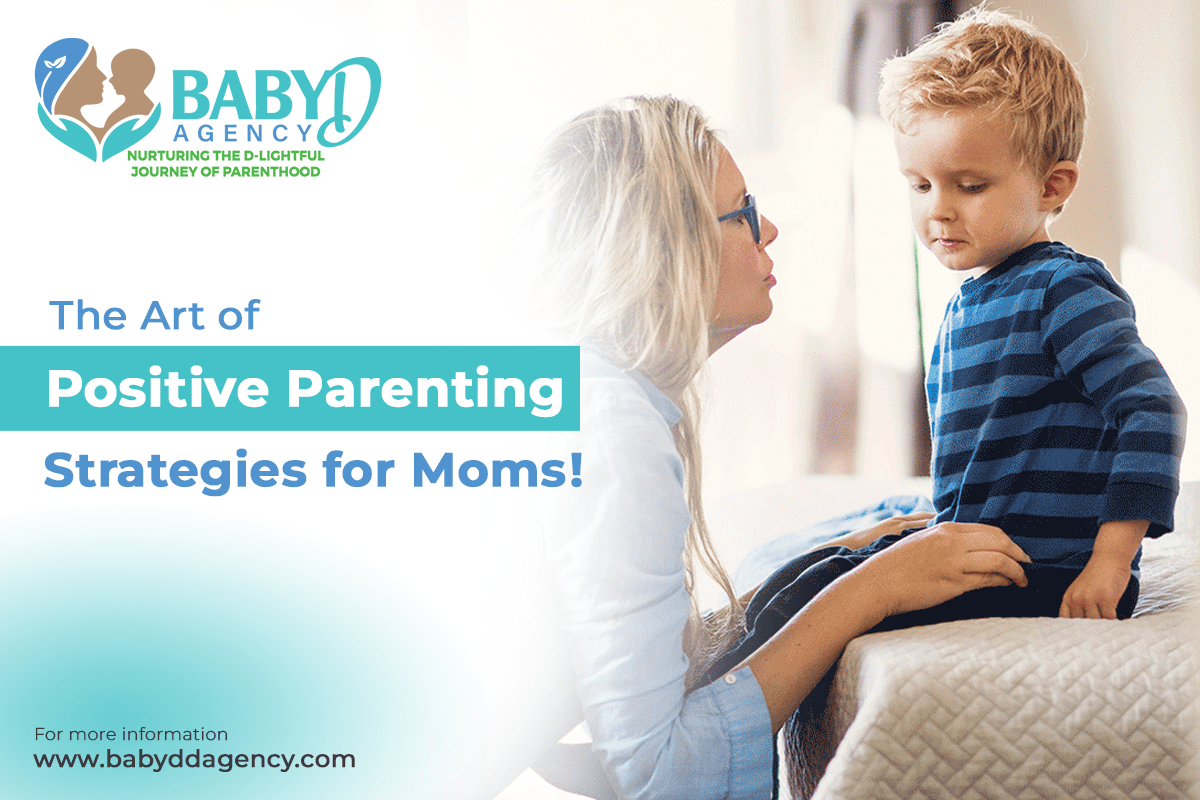
The Art of Positive Parenting: Strategies for Moms!
No, being a ‘positive mother’ is not meant as being a ‘Perfect mother’. Read it loud!
No mother is perfect, but yes, with proper ways, you can be a positive mother of course! Being a mom is one of the most rewarding yet challenging roles a woman can take on. Many struggles come in the mom’s life, but knowing how to deal with the game is the deal. From sleepless nights to endless diaper changes, the journey of motherhood is filled with ups and downs. One of the key factors that can greatly impact a mother’s experience is her mindset. Being a positive mom not only benefits the mother herself but also has a positive impact on her children and the entire family dynamic.
The Importance of Positivity in Parenting
A smile is not the only thing that constitutes positivity. It’s about cultivating a mindset that allows you to see the good in every situation, no matter how challenging. As a positive mom, you are better equipped to handle the inevitable stresses of parenting and can approach each day with a sense of optimism and resilience.
Tips For All Moms –
Practice Gratitude: Saying thank you can help! This easy exercise can help you turn your attention from what’s going wrong to what’s going right. Set aside some time each day to think about the things you have to be thankful for.
Accept Things: Every day with young children will be unique. Even if you have a well-planned day, a single tantrum might throw it off. Try not to become anxious about it! Simply pay attention to what your kid needs and provide it. You don’t need to complete every task in a single day.
Focus on the Positive: Instead of dwelling on your parenting mistakes or shortcomings, focus on your strengths and accomplishments as a mother. Celebrate the small victories, like getting through a difficult day with grace.
Take Care of Yourself: Self-care is essential for maintaining a positive mindset. Make time for activities that nourish your body and soul, whether it’s yoga, meditation, or simply taking a walk in nature.
Be Mindful of Your Words and Actions: Your children are always watching and learning from you. Be mindful of the words you speak and the actions you take, as they can have a lasting impact on your children’s outlook on life.
Meditate: Incorporate meditation into your daily routine to help center your mind and reduce stress.
Get Expert Training: Consider seeking expert training on newborn baby care or guidance to enhance your parenting skills and approach.
Expert Parental Nutrition Consulting: Consult with a nutrition expert to ensure you and your family are getting the best nutrition for overall health and well-being.
Childbirth Education Class: Attend childbirth education classes to prepare yourself mentally and physically for the birthing process and early postpartum period.
Develop Self-Compassion: Being a mother is a journey with many highs and lows. During difficult moments, practice self-compassion and kindness toward oneself.
Lastly, when doing all these, don’t skip your sleep. Sometimes it is recommended to call certified newborn baby care specialists at home. By doing so you can’t focus more on yourself and give your kids better parenting.
Conclusion
Being a positive mom is a journey that requires effort and intentionality. By cultivating a positive mindset and incorporating these strategies into your daily life, you can become a positive force in your children’s lives and create a happy and healthy family dynamic.
author bio
@Donette Brotherson
Founder & CEO of BabyD Agency Founded the company in May 2018 Has 20+ years of experience in childcare
Finding the right nanny isn’t just about filling a schedule gap — it’s about welcoming someone into your home who will help shape your child’s earliest, most formative days. Whether you’re a first-time parent in Georgetown or a growing family juggling work and multiple little ones, the search for trusted nanny services in Guyana can feel overwhelming. There are informal referrals, social media groups, and independent caregivers all competing for your attention — but how do you know who to actually trust?
At BabyD Agency, we work with families across Guyana every day who are asking exactly this question. This guide breaks down what to look for, what to ask, and how to separate a truly qualified nanny service from one that just sounds good on paper.
The Data Behind the Decision: Why This Matters in Guyana Right Now
Before diving into what to look for, it helps to understand why demand for professional, trustworthy childcare support is growing across Guyana.
More Guyanese mothers are in the workforce than ever before. Female labor force participation has climbed in recent years, tracking close to the global average — meaning more households are actively searching for reliable in-home support rather than relying solely on informal family networks.
Families are still growing, even as birth rates shift. Guyana’s fertility rate remains above the global replacement level, meaning newborn and young-child care will stay a steady, ongoing need for years to come — not a shrinking market.
Guyana’s child survival outcomes are already stronger than the global average — a sign of solid healthcare fundamentals. But “better than average” isn’t the same as “no risk.” Skilled, trained newborn care still plays a meaningful role in supporting healthy outcomes during those early, fragile weeks.
Taken together, this data tells a clear story: more working parents, sustained birth rates, and a healthcare backdrop where trained caregiving genuinely contributes to outcomes — all of which point to one thing. Guyanese families need childcare partners they can actually trust, not just convenient ones.
Why Choosing the Right Nanny Service Matters
A nanny does far more than supervise your child. The right caregiver influences your baby’s routines, emotional security, early development, and — just as importantly — your own peace of mind as a parent. The wrong fit, on the other hand, can mean inconsistent care, safety concerns, and constant turnover that disrupts your household.
In Guyana, where formal childcare regulation and agency oversight can vary widely, doing your homework before hiring isn’t optional — it’s essential.
What Guyanese Families Should Look for in a Nanny Service
1. Proper Vetting and Background Checks
Before a caregiver ever steps into your home, a reputable agency should have already verified their identity, checked references, and screened for any red flags. Ask directly:
Do you conduct background checks?
Are references verified by phone, not just listed on paper?
Is there a formal interview and screening process before a nanny is placed?
If an agency can’t clearly explain their vetting process, that’s a warning sign.
2. Real Training — Not Just Experience
“Experience” can mean anything. What matters is whether a caregiver has actual training in areas like infant safety, feeding, developmental milestones, and emergency response (such as infant CPR). Ask about certifications specifically — not just years on the job.
3. Thoughtful Matching, Not Random Assignment
The best nanny services don’t hand you a list of names and let you guess. They take time to understand your family’s routines, values, personality, and needs — then match you with a caregiver who genuinely fits. This is especially important for families with newborns, multiples, or babies transitioning home from the NICU, where specialized support matters far more than general babysitting experience.
4. Range of Support, Not Just “Childcare”
Every family’s season looks different. A strong nanny service should be able to flex around:
Newborn and postpartum support for the early weeks after birth
Overnight care so exhausted parents can rest and recover
Work-from-home support for parents balancing a job and a baby under one roof
Short-term, vacation, or event care for one-off needs
Multiples support for families with twins or more
If an agency only offers one rigid type of care, they may not be equipped for how your needs will actually evolve.
5. Transparent Communication and Ongoing Support
Placement shouldn’t be the end of the relationship. Ask what happens if the match isn’t working, how the agency handles emergencies, and whether there’s ongoing check-ins after care begins. A trustworthy agency stays involved — they don’t disappear after the introduction.
Questions to Ask Before Hiring a Nanny Service in Guyana
Use this checklist during your first conversation with any agency:
What does your background check and screening process actually involve?
How do you match families with caregivers?
What training or certifications do your caregivers hold?
Do you offer trained Transition Specialists for newborn care, not just general caregivers?
What happens if the placement doesn’t work out?
Are your fees and contract terms clear and transparent upfront?
Do you offer flexible options — overnight, short-term, or event-based care?
A confident, transparent agency will answer every one of these without hesitation.
How BabyD Agency Supports Families in Guyana
Based in Cummingsburg, Georgetown, BabyD Agency was built around a simple belief: families need more than a babysitter — they need a village. Whether you’re a family in transition welcoming your first baby, or parents navigating the newborn phase with a growing household, we go beyond traditional nanny placement to offer:
Transition Specialists who support your baby, your recovery, and your household during the fourth trimester
Family Support Specialists for ongoing, personalized care
Overnight Transition Specialists for dedicated overnight newborn and postpartum support
Birth Support Specialists for guidance and support through labor and delivery
Postpartum Transition Doulas for emotional, physical, and practical recovery support after birth
Work-From-Home Support for parents balancing career and baby
Multiples Support for twins, triplets, and beyond
Lactation Support and additional services like vacation and event childcare
Every BabyD specialist is trained, background-checked, and thoughtfully matched to your family — not just assigned. Our five-step process (Consult → Match → Onboard → Support → Transition) is designed to take the guesswork out of finding care you can actually trust — for families in transition at every stage.
Final Thoughts
Choosing a nanny service in Guyana is one of the most important decisions you’ll make as a parent — and it deserves more scrutiny than a quick social media search or word-of-mouth referral alone. Look for real vetting, real training, thoughtful matching, and an agency willing to grow with your family’s changing needs.
If you’re ready to find care you can trust in Georgetown and beyond, BabyD Agency is here to help.
For families who want to dig deeper into the standards behind professional childcare and the demographic trends shaping demand for it in Guyana, these are credible, independent sources worth exploring:
International Nanny Association (INA) — the leading industry body setting recommended practices for caregiver and newborn care specialist (what BabyD calls a Transition Specialist) background screening, credentialing, and agency standards. nanny.org
World Bank Gender Data Portal & World Development Indicators — source for Guyana’s female labor force participation trends used above. genderdata.worldbank.org
UNICEF Data — Guyana Country Profile — child health, survival, and early childhood indicators for Guyana. data.unicef.org/country/guy
UN Inter-agency Group for Child Mortality Estimation (UN IGME) — the joint UNICEF/WHO/World Bank source for global under-5 mortality benchmarks. data.unicef.org
Association of Premier Nanny Agencies (APNA) — an additional professional body reinforcing that background checks alone aren’t sufficient screening without structured interviews and reference verification.
We encourage families to look these sources up directly — understanding the standards behind quality childcare is the first step to recognizing it.
Frequently Asked Questions
Q: How do I know if a nanny service in Guyana is reputable? A: Look for clear background-check processes, verified references, trained and certified caregivers, and a real matching process — not just a list of available names.
Q: Is a nanny service different from hiring a caregiver independently? A: Yes. An agency handles screening, vetting, contracts, and ongoing support, which significantly reduces the risk and stress of hiring on your own.
Q: Can BabyD Agency provide newborn care specialists in Guyana? A: Yes. BabyD Agency’s Transition Specialists (our updated term for newborn care specialists) provide dedicated newborn and postpartum support, including overnight care through our Overnight Transition Specialists, for families in Guyana.
Q: How long does it typically take to get matched with a nanny? A: Timelines vary by family needs and specialist availability, but starting your consultation early — ideally before your due date — helps ensure the best match.
Q: What should be included in a nanny or caregiver contract? A: Duties, schedule, pay, confidentiality terms, and clear policies for emergencies or ending the arrangement should all be spelled out in writing. Ready to build your village? Contact BabyD Agency today to schedule your consultation.
Once your little bundle of joy has been put in your arms, all you feel as a parent is the urge to cuddle and kiss the newborn. While skin-to-skin touch is considered requisite for newborns, it is best provided by the mother and the father, not relatives and friends.
As a parent, the well-being of your little one will be paramount in your head. All the baby books you might have read before the delivery would have told you that newborns are sensitive and weak, and may catch diseases quickly thanks to their developing immune system.
Diseases are transmitted in different ways, with touch being one of the most common forms of transmission. A newborn’s skin is delicate and may have poor defenses. One of the most important protective measures parents can take is to limit or completely avoid allowing others to kiss their newborn.
Although the gesture of kissing a baby often comes from a place of love and affection, it can pose significant health risks to the newborn due to its underdeveloped immune system. In this blog, we’ll explore why this precaution is essential for safeguarding your baby’s health.
Newborns Are Vulnerable To Infections
Newborns have a fragile immune system. For the first few months of life, they rely heavily on the antibodies they receive from their mother during pregnancy, which provide some protection against infections.
As they are exposed to the environment, their immune system begins to kick in and it begins to create antibodies that protect the newborn. Still, caution should be maintained. Ensure that no one except the mother and father are in close contact with the child. Do not allow relatives to kiss the baby. While this may create some tension between family members, you should be able to explain that for the child’s safety, such measures are being taken.
Diseases That A Newborn May Contract Because of Kisses On The Face
Here are some of the common conditions a baby may contract because of an adult carrying certain viruses which they transmit to the baby when they kiss them.
Herpes Simplex Virus
One of the most concerning risks associated with kissing a newborn is the transmission of viruses, particularly the herpes simplex virus (HSV). HSV can be easily transmitted through direct contact with the skin, and many people carry the virus without displaying any symptoms. While Herpes Simplex Virus does not pose much of a threat to adults, it can be very dangerous for newborns. HSV might lead to neonatal herpes, a severe infection that can affect the brain, lungs, and other vital organs. The consequences of neonatal herpes can be devastating, including long-term neurological damage or death. This is one of the main reasons why health professionals strongly advise against allowing anyone, especially those with cold sores, to kiss a newborn.
Respiratory syncytial virus
RSV as this is commonly known is another disease that can be passed on from adult to baby through kissing. Again, this condition does not harm adults the way it does babies. In adults, the symptoms are mild, much like the common cold. However, in babies, it can cause severe infections like bronchiolitis and pneumonia.
Pertussisor whooping cough
Another serious illness that can be passed on through close contact, such as kissing, is whooping cough (pertussis). Newborns are especially at risk for whooping cough before they have completed their vaccination schedule, and the disease can be fatal in infants.
Group B Streptococcus (GBS)
This is a type of bacterial infection that is transmitted to babies through saliva. This can cause severe complications for babies such as sepsis, pneumonia, or meningitis. Since newborns are still developing their natural bacterial flora and have not yet built up resistance to many common bacteria, they are more susceptible to infections.
How To Set Healthy Boundaries For Your Baby’s Safety
Once you have brought your baby home, there will be a steady stream of visitors for the next week or so. From friends to family, everyone will want to cuddle the newborn. So, how do you prevent the inevitable big-hearted smooches they may want to plant on your newborn? Here are some tips.
Ask Visitors To Sanitize
Ask visitors to wash and sanitize their hands when they come in contact with your little one. Send out a firmly worded message to your friends and family telling them to wear masks and sanitize properly before picking up your child. Inform them that smooches are a big ‘no’.
Ask Them To Wear Masks
Do not encourage visitors who have been ill to visit. Specifically state that they should visit when they are recovered. For extra precaution, ask them to wear masks when they come to visit.
Maintain Hygiene
Even in the absence of known infections, the general hygiene of individuals who come into close contact with the baby is a concern. Bacteria and viruses can be present on the skin, in the mouth, and on the hands, even if a person appears to be healthy.
A simple cold or flu virus could result in a severe illness for a newborn. It is essential to maintain strict hygiene practices around a newborn, including handwashing and minimizing close contact, to reduce the risk of transmitting infectious agents.
Ask professional help to cooperate
If you have taken the help of a certified newborn care specialistto care for your newborn, insist that they also follow the rules and maintain hygiene around the newborn.
Wrapping Up
The health and well-being of your newborn should always be a top priority. While it might be difficult to ask others not to kiss your baby, especially when they are expressing their love and affection, it’s a necessary step to protect your child from potentially serious health risks.
By understanding the reasons behind this precaution and communicating them effectively to those around you, you can help ensure a safe and healthy start for your newborn. Remember, your baby’s safety is paramount, and taking these preventive measures is a simple but powerful way to show your love and care.
Co-sleeping with your newborn can be a beautiful experience, fostering closeness and making nighttime feedings more convenient. It is no new practice, but for recorded history, parents use this sleeping technique for a safer baby sleep routine.
For new parents, this technique can foster a more peaceful, nurturing night of rest for both parents and the newborns.
Apart from this, we the newborn care experts, who are moms, have offered essential tips and positions for newborn co-sleeping to help you create a safe and nurturing environment for your baby.
What Is Co-Sleeping?
Co-sleeping, where parents and newborns share the same sleeping space, is practiced worldwide and can offer numerous benefits. It promotes bonding, makes breastfeeding easier, and allows parents to respond quickly to their baby’s needs. However, it also requires careful consideration to ensure safety.
The different types of Co-sleeping include-
Room-sharing is the process where an infant or toddler shares a room with you and sleeps in a crib or bed. Your kid should spend the first six months of their life sleeping in your room, both during the day and at night.
Bed-sharing is when you and your infant share a bed.
Side sleeping is when a youngster naps next to you in a cot that is fastened to your bed.
Essential Safety Tips for Co-Sleeping
Create a Safe Sleep Space
Safe sleep space makes the newborn sleep more deeply. Also, with a safe space you can get the best rest without any worry.
Some tips here to create a safe space are-
Use a firm mattress: A firm mattress provides a stable and safe surface for your baby to sleep on, reducing the risk of suffocation.
Avoid soft bedding, pillows, and blankets: These items can pose a suffocation hazard. Instead, keep the sleep space minimal and clear of any objects.
Ensure the bed is free of gaps or spaces: Check that there are no gaps between the mattress and the headboard, footboard, or wall where the baby could get trapped.
Place the baby on their back to sleep: Always position your baby on their back to reduce the risk of Sudden Infant Death Syndrome (SIDS).
Avoid Risk Factors: Several factors can increase the risk of co-sleeping. Try to avoid it for your baby’s safety. Ensure that the sleep environment is free from these hazards.
Some common areas that you can avoid-
Do not smoke, consume alcohol, or use drugs: These substances can impair your awareness and responsiveness, increasing the risk of accidents.
Keep pets and older siblings out of bed: Pets and older children can inadvertently roll over or disturb the baby, creating unsafe conditions.
Temperature Regulation
The temperature of your room is mandatory to check. It can hamper or give a sweet sleep for your newborn.
Some factors you can consider-
Dress the baby in lightweight sleepwear: Overheating can be dangerous for newborns. Dress your baby in light, breathable fabrics.
Maintain a comfortable room temperature: Aim for a room temperature that feels comfortable for a lightly clothed adult, typically between 68-72°F (20-22°C).
Use a sleep sack instead of blankets: Sleep sacks are a safe alternative to blankets, keeping your baby warm without the risk of suffocation.
Preparing for Safe Co-Sleeping
Educate Yourself
Understanding the principles of safe co-sleeping is crucial. Enroll in a newborn care specialist certification course to learn about the best practices and safety guidelines.
Seek Professional Guidance
Consulting with a newborn care specialist can provide personalized advice tailored to your family’s needs. They can help you create a safe co-sleeping setup and address any concerns.
Monitor Your Baby’s Sleep Patterns
Keep an eye on your baby’s sleep patterns and adjust your co-sleeping setup as needed. As your baby grows, their needs may change, and you should be flexible in adapting to these changes.
Know The Sleeping Positions For Newborn Co-sleeping
Side-Lying Position
Baby lies on their back beside the mother: This position allows the baby to have their own space while being close enough for the mother to monitor.
Mother lies on her side facing the baby: This proximity makes it easy for the mother to nurse and comfort the baby during the night without having to get out of bed.
Allows for easy breastfeeding and quick responses: Mothers can easily tend to their baby’s needs, promoting bonding and ensuring the baby feels secure.
Co-sleeper or Bedside Bassinet
Baby has a separate sleeping space attached to the parents’ bed: Co-sleepers provide a safe, dedicated space for the baby while keeping them within arm’s reach.
Combines proximity and safety: This arrangement allows parents to have their baby close by without sharing the same sleep surface, reducing the risk of accidental smothering.
Ideal for parents who move a lot during sleep: If parents tend to move around in their sleep, a co-sleeper ensures the baby remains safe and undisturbed.
“C” Position for Bed-Sharing
Mother curls her body around the baby: The mother’s body creates a protective barrier around the baby, keeping them secure.
Arm above the baby’s head and knees bent below the baby’s feet: This position helps prevent the baby from moving up or down the bed.
Prevents the baby from moving up or down the bed: By creating a physical boundary, this position helps keep the baby in a safe and stable spot throughout the night.
Regularly Check the Sleeping Environment
Ensure the sleeping area remains safe and free from hazards: Regularly inspect the bed to make sure there are no loose bedding or other hazards that could pose a risk to the baby.
Adjust as necessary: As your baby grows and becomes more mobile, continue to adapt the sleeping environment to maintain safety.
The Role of BabyD Agency in Safe Co-Sleeping
Expert Guidance from BabyD Agency
BabyD Agency offers expert guidance for parents who choose to co-sleep with their newborns. Their newborn care specialists are trained to provide personalized advice and support, helping you create a safe and nurturing sleep environment for your baby.
Comprehensive Support
From newborn care specialist certification to practical tips and techniques, BabyD Agency ensures you have all the resources needed to co-sleep safely. Their best newborn care tips can help you navigate the challenges of co-sleeping, ensuring that both you and your baby enjoy restful and safe nights.
Conclusion
Co-sleeping with your newborn can be a rewarding experience when done safely. By following these essential tips and seeking guidance from professionals like those atBabyD Agency, you can create a secure and nurturing environment for your baby. Remember, the key to successful co-sleeping is education, communication, and flexibility. Embrace this special time with your baby, knowing that you are providing the best care possible.
Being a mother of a newborn is not a cakewalk at all. Many women at the time of first pregnancy get confused with “What To Do?” “How To Prepare For Pregnancy?” Well to make things easier, the certified newborn care specialist comes into play.
Are you dealing with a first-time pregnancy? Then you are in the best place. In this blog, we will guide you in understanding pregnancy tests, when to take them, and what they include can ease some of the uncertainty.
This guide will help you navigate the world of pregnancy tests, ensuring you have all the information you need to make informed decisions.
When to Take a Pregnancy Test
Note- Before indulging in the pregnancy test, it is recommended to consult with it is recommended to newborn care services.
As per the experts, pregnancy tests should be considered, following this-
Timing Is Everything
An accurate pregnancy test depends on the timing of the test. Most doctors recommend waiting until the first day of your missed period to take a home pregnancy test. This is because the levels of hCG (human chorionic gonadotropin), the hormone detected by pregnancy tests, are usually high enough by then to be detected.
Early Testing
If you’re eager to find out sooner, some tests on the market are designed for early detection and can be used as early as six days before your missed period. However, the accuracy increases as you get closer to your expected period date.
Types of Pregnancy Tests
Home Pregnancy Tests (HPTs)
A home pregnancy test is the most popular and common type of test most mothers prefer. They are easy to use, widely available, and offer privacy. HPTs come in two main formats:
Dip Tests: You collect your urine in a cup and dip the test stick into it.
Midstream Tests: You urinate directly onto the test stick.
Both types work by detecting the presence of hCG in your urine. A home test should be used correctly to achieve about 99% accuracy.
Blood Tests
Blood tests for pregnancy are conducted in a medical setting and can detect pregnancy earlier than urine tests. There are two types:
Qualitative hCG Test: This test simply checks for the presence of hCG and gives a yes or no answer.
Quantitative hCG Test: Also known as a beta hCG test, this measures the exact amount of hCG in your blood, which can help track the progression of the pregnancy.
First Trimester Screening
This examination consists of an ultrasound and a blood test. It aids in identifying the fetus’s potential for birth disorders like cardiac issues or chromosomal abnormalities like Down syndrome.
Ultrasound Testing
This non-invasive, safe procedure creates images of the baby’s position and form using sound waves. It can be done as part of the first-trimester screening at weeks 11–14, or early in the trimester to date the pregnancy. During the first trimester, women with high-risk pregnancies may undergo several ultrasounds.
Chorionic Villus Sampling (CVS)
The procedure known as “chorionic villus sampling” (CVS) examines placental cells to determine whether they have any chromosomal abnormalities, such as Down syndrome. It can determine with certainty if a baby will be born with a particular chromosomal abnormality and can be performed between weeks 10 and 13.
Non-invasive Parental Screening (NIPS)
This blood test searches for maternal-fetal DNA. If a chromosomal issue is suspected in the fetus, this test can be done as early as 10 weeks into the pregnancy. It’s not a diagnostic exam. If the results are abnormal, more testing is necessary to confirm the diagnosis or rule it out. Given their increased risk, older expecting mothers or those who have given birth to a child with a chromosomal disorder are typically the ones administered it.
Some Other varieties of Pregnancy Tests-
Thyroid disease
Toxoplasmosis
Hepatitis C
Cytomegalovirus (CMV)
Tay-Sachs disease
Fragile X syndrome
Tuberculosis
Canavan disease (a rare neurological disorder)
How New Mothers Can Prepare?
After confirming your pregnancy, considering newborn care services is a crucial next step. These services offer essential support for new mothers. Whether you need newborn care at home or guidance from a certified newborn care specialist, these professionals provide professional care and guidance both for the mothers and the newborns tailored to your needs.
Conclusion
Understanding pregnancy tests is essential for new mothers navigating the early stages of pregnancy. Whether you choose a home test or a blood test, knowing when to test, how to read the results, and what to expect can make the experience smoother and less stressful. Remember, for any concerns or questions, your healthcare provider is your best resource.
By staying informed and prepared, you can confidently take the next steps in your pregnancy journey, knowing that newborn baby care services, are available to support you.
Are you a parent of a newborn, and struggling in your daily lives? It is certainly not a cake walk!
Truly speaking, Among the many first experiences, your newborn’s first doctor’s appointment is crucial.
The American Academy of Pediatrics (AAP) states that your infant should have their first well-baby visit at the pediatrician’s office three to five days after delivery. Feeling a little anxious is normal, but remember this visit is frequently enlightening and inspiring. Continue reading for advice on scheduling and getting ready for the first professional newborn care with the doctor!
Tips For Your First Pediatric Appointment
Gather Important Information
To make your first pediatric appointment smooth, pack less, but include this in your bag-
Birth Records: Include any complications during delivery.
Family Medical History: Information about genetic conditions or allergies.
Feeding and Diapering Log: Track your baby’s feeding times and diaper changes.
Prepare for Paperwork
Be ready to fill out forms about your baby’s health history, birth details, and family medical history. This information will streamline the process and help the doctor get a complete picture of your baby’s health.
Allow Nurses to Do the Exams
Nurses often conduct preliminary exams before the doctor sees your baby. This may include-
Put your nude infant on a scale.
Measure their height and width by extending their limbs.
A tape measure is used to measure the circumference of the head.
Babies typically lose up to 10% of their body weight after birth, according to the AAP.2. However, it usually returns to them in a few weeks.
Allow them to perform these tasks efficiently to ensure the appointment stays on schedule.
Get Together with the Doctor
Once the preliminary checks are done, you’ll have time to discuss any concerns or questions with the doctor. This is your opportunity to address any worries about your baby’s health and development. Remember, doctors are the main source of information for all your newborn care needs.
Prepare for Specific Checkups
During the appointment, the doctor will conduct several specific checkups to ensure your baby is healthy and developing well:
Neck and Collarbone Checkups
The doctor will carefully examine your baby’s neck and collarbones for any signs of injury or irregularities that could have occurred during birth. This checkup is crucial to ensure there are no fractures or other issues that could affect your baby’s movement and comfort.
Head Checkup
This includes checking the soft spots (fontanelles) on your baby’s head, which are crucial for brain growth and development. The doctor will also assess the overall shape of the baby’s head to rule out any abnormalities, such as flat spots that could develop due to lying in one position for too long.
Hips Checkup
The doctor will perform a physical examination to rule out hip dysplasia, a condition where the hip joint doesn’t develop properly. This is often done by gently moving the baby’s legs to see if they move smoothly within the hip socket. Early detection is important to prevent long-term mobility issues.
Reflexes Checkup
Your baby’s reflexes will be tested to ensure their nervous system is developing correctly. The doctor will check reflexes such as:
Startle Reflex (Moro Reflex): The baby’s response to sudden movements or loud noises.
Sucking Reflex: How well the baby sucks on a nipple or pacifier.
Grasp Reflex: The baby’s ability to grasp your finger when placed in their palm.
Pulse Checkup
The doctor will check your baby’s heart rate to ensure it is within a normal range for newborns. This involves listening to the heartbeat with a stethoscope and sometimes using a pulse oximeter to measure oxygen levels in the blood.
Genitalia Checkup
The doctor will examine your baby’s genitalia to ensure there are no abnormalities, such as hernias or signs of infection. For boys, this may include checking the position of the testes, and for girls, ensuring the genitalia are developing normally.
Feeding Patterns
The doctor will discuss how often and how well your baby is feeding, whether you are breastfeeding or formula feeding. They will provide advice on feeding techniques and ensure that your baby is gaining weight appropriately.
Digestive System Checkup
Ensuring your baby’s digestion is functioning correctly is vital. The doctor will ask about your baby’s bowel movements and check for issues like reflux or constipation. They may also examine the abdomen to ensure there are no unusual lumps or signs of discomfort.
Sleeping Patterns
The doctor will discuss your baby’s sleep habits and offer tips for establishing healthy sleep routines. This includes the total amount of sleep your baby gets in 24 hours and the length of individual naps. Proper sleep is crucial for your baby’s development and your overall family well-being.
Additional Tips for a Successful Visit
Dress Your Baby in Easy-to-Remove Clothing: For quick and stress-free examinations.
Pack a Diaper Bag: Include extra diapers, wipes, a change of clothes, and a blanket.
Bring Feeding Supplies: If you’re formula feeding, pack enough for the visit duration.
By being well-prepared, you can make your baby’s first doctor’s appointment a smooth and productive experience. Remember, this is just the beginning of your journey into parenthood, and having the right support with newborn care services can make all the difference.
The Role of a Certified Newborn Care Specialist
A certified newborn care specialist can provide invaluable support during the early weeks of your baby’s life. The experts make your hectic life much smoother and more convenient. These professionals offer newborn care services that include:
Feeding Support: Assistance with breastfeeding techniques and formula feeding.
Emotional Support: Offering guidance and reassurance to new parents.
So before going to visit the pediatrician, get yourself support from newborn care services, who are experienced mothers.
BabyD Agency stands out as a premier provider of newborn care services in the New York tri-state area, Texas, California, and Chicago. Their professional newborn care specialists are trained to support parents through every step of early parenthood.
Conclusion
Your newborn’s first doctor’s appointment is a significant step in ensuring their health and well-being. By understanding what to expect and preparing adequately, you can make this experience smooth and stress-free.
With the support of a certified newborn care specialist from BabyD Agency, you’ll have the expertise and reassurance needed to navigate early parenthood confidently.
FAQ
Q: What should I bring to my baby’s first doctor’s appointment?
A: Bring your baby’s birth records, family medical history, a feeding and diapering log, and any questions you may have.
Q: What immunizations will my baby receive at the first visit?
A: Typically, your baby will receive the Hepatitis B vaccine and possibly others depending on the local schedule.
Q: How can a certified newborn care specialist help me?
A: They provide support with feeding, sleep training, and overall newborn baby care, offering both practical and emotional assistance.