
Blog

Our Blog

Visiting newborns is indeed a heartwarming and pleasurable experience. But at the same time, ensuring the well-being of vulnerable newborns is a big challenge. To avoid this issue, it is important to visit a newborn following a guideline. In today’s blog, we will delve into practices and guidelines promoting a safe and memorable experience for parents and visitors. Check them out before you get the newborn care services.

Staggered Visits for Health Assurance:

  • Limit initial visitors to close family members.
  • Newborn care services prioritize special moments for close family to bond with the baby.
  • Stagger subsequent visits to allow for careful monitoring.
  • Restrict the number of guests each day to one or two.
  • Enable parents to focus on assessing the well-being of each visitor.

Hand Hygiene Matters:

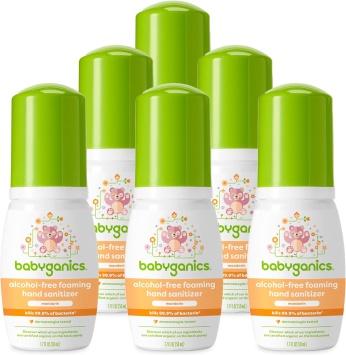
  • Newborn care services stress the importance of hand hygiene due to the infant’s vulnerability.
  • Insist on thorough handwashing as a non-negotiable practice.
  • Consider investing in hospital-strength hand soap for optimal sanitation.
  • Educate visitors about the role of hand hygiene in reducing infection risks.

Use Face Masks for Added Protection:

  • Encourage the use of face masks when in close proximity to the newborn.
  • Allow guests the option to wear masks throughout the entire visit.
  • Emphasize that wearing masks not only protects the baby but fosters community responsibility.
  • Demonstrate the practice as an added layer of protection against potential germs.

Health Screening is Important:

  • Initiate open and honest conversations about guests’ recent health.
  • Inquire about possible exposures to illnesses or if they feel unwell.
  • Express a preference to postpone the visit if there are health concerns.
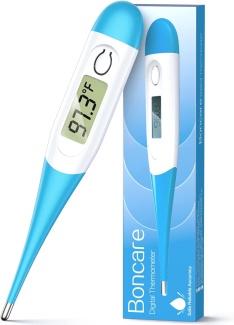
  • Consider using an instant-read thermometer to check guests’ temperatures upon arrival.
  • Implement temperature checks as a simple screening tool for potential health risks.

Follow The No Kissing Rule:

  • Establish and communicate a clear “No Kissing Rule” to visitors. Professional newborn care suggests this.
  • Explain the risk of introducing harmful germs through kissing or nuzzling.
  • Emphasize that understanding and cooperation contribute to a safer space for the baby.
  • Prioritize the baby’s health over traditional gestures of affection.

Be Careful about Fragrances:

  • Request minimal or no fragrance during visits.
  • Highlight the baby’s delicate senses and potential sensitivity to strong scents.
  • Create a stress-free environment by opting for fragrance-free products.
  • Demonstrate awareness of the baby’s well-being through thoughtful consideration.

Conclusion

These practices will guide you in creating a safe and memorable environment for your newborn’s early interactions with loved ones. If you’re seeking more information about newborn care services or sleep programs, don’t hesitate to reach out to professional newborn care services. By following these practices, you not only protect your newborn but also contribute to a community that prioritizes the health and happiness of its youngest members.

Welcoming a newborn is an exciting journey filled with love, excitement, and new challenges. At BabyD Agency, we deeply understand the intricacies of newborn care services and the unique hurdles that new parents face, including the vital task of swaddle transitioning. This period marks an important developmental stage for your baby, signaling growth and increased mobility. In this blog, we will explore how to help you with effective strategies and insightful guidance to pass this phase easily and confidently. We focus on making the swaddle transitioning process as smooth and comfortable as possible, ensuring you and your little one experience this change positively. By blending practical tips with compassionate support, BabyD Agency stands by your side, ready to transform your parenting journey into a rewarding and fulfilling experience. So, let’s discover the best practices to help your baby transition seamlessly from swaddling to more independent sleep.

Swaddling and its Benefits

Swaddling, a practice as ancient as humanity, holds immense importance in newborn care. It is much more than just a technique to soothe a baby; it is a method steeped in tradition and science, promoting newborns’ sense of security and well-being. The entire process helps to mimic the snugness of the womb effectively; swaddling helps in calming infants, reducing unnecessary wake-ups due to the startle reflex. However, transitioning out of swaddling becomes crucial as your baby grows and develops. 

This is a matter of comfort and safety, as a baby’s increased mobility can make continued swaddling a hazard. This is why correctly understanding the significance of swaddling and its impact on your baby’s development is key to appreciating the importance of a timely transition. At BabyD Agency, we advocate for informed and gentle approaches to swaddle transitioning, ensuring your baby’s safety while maintaining the ultimate comfort they need.

Timing the Transition

The transition from swaddling should ideally begin when the baby is around 2 to 4 months old or shows signs of being able to roll over. Swaddling can pose a risk once the baby starts moving more. At BabyD Agency, we stress the importance of individualized newborn care at home, recognizing that each baby may show readiness for this transition at different times.

Techniques for Transitioning

1. One-Arm-Out Method: This involves leaving one arm outside the swaddle, helping the baby to gradually get used to more freedom while still feeling the comfort of partial swaddling.

2. Loose Swaddling: Gradually loosening the swaddle over several nights can also help ease the transition, as it slowly introduces your baby to less confinement.

3. Swaddle Transition Products: There are products designed specifically for this transition phase, like sleep sacks or wearable blankets, which are safe alternatives to swaddles. They provide warmth and comfort without restricting the baby’s arm movements.

4. Adjustable Swaddle Wraps: Use swaddle wraps with adjustable fastenings, like Velcro or snaps, that allow you to reduce the snugness of the swaddle gradually. This method lets you slowly introduce more freedom of movement while still providing the comfort of a swaddle.

5. Introducing a Comfort Object: Introduce a small, safe comfort object in the crib, like a soft toy or blanket. This can provide the baby with a sense of security and familiarity as they transition out of the swaddle.

6. Increase Tummy Time During the Day: Increasing tummy time during the day helps strengthen your baby’s upper body muscles, preparing them for the increased mobility they will experience once out of the swaddle. This can make the transition smoother and help them feel more comfortable in their new sleeping position.

Ensuring a Safe and Secure Sleep Environment

This transition is crucial to Creating a secure, safe, and comfortable sleep environment. This includes using a firm mattress, avoiding loose bedding, and maintaining a suitable room temperature. A consistent bedtime routine can also provide security and help the baby adapt to the new sleeping arrangement.

The Role of Patience and Consistency

Patience is key during this transition period. Some babies may take longer to adjust, so consistency with the new routine is important. A calm and reassuring bedtime routine can help your baby feel secure.

Observe and Adapt: Each baby is unique, so closely observe your baby’s response to different swaddling and transitioning methods. Be prepared to effectively adapt your approach based on your baby’s comfort, sleep patterns, and developmental milestones. Flexibility and attentiveness to your baby’s cues are key to a successful transition.

What Support BabyD Agency Offers?

At BabyD Agency, we offer comprehensive newborn care services, including support for swaddle transitioning. Our team of professional newborn care specialists and postpartum health experts can provide personalized guidance and support tailored to your baby’s needs. Whether it’s newborn care at home, consulting a center for postpartum health, or seeking professional newborn care, BabyD Agency is committed to ensuring the best care for your baby during this crucial developmental stage.

Conclusion

The entire process of swaddle transitioning is an important step in your baby’s development. By understanding the right time and techniques for transitioning, creating a safe sleep environment, and being effectively patient and consistent, you can help your baby transition smoothly. And with the support and expertise of BabyD Agency, you can feel confident in providing the best care for your newborn.

Being a parent is a transformative journey itself filled with joy, challenges, and a myriad of emotions. As expectant parents embark on this life-altering experience, the role of a birth coach has gained prominence in shaping positive parenting journeys.

A parental and birth coach is a person who trains the expected mothers in their journey to a healthy and fit birth. They mainly guide the mother with the expected and unexpected changes. They bring a smooth transition to parenthood with their experience and knowledge. 

Are you anxious about becoming a mother? Is this your first time? Not sure what to perform after the baby arrives? 

Let’s get into the significance of birth coaches and their contribution to fostering a positive parenting experience.

What Is Positive Parenting?

Positive Parenting is a method, which is based on parenting psychology. This method assumes that kids are excellent from birth. Positive parenting, on the other hand, emphasizes rewarding good behavior rather than punishing negative behavior. Positive parenting is one of the four Baumrind parenting philosophies. It is an authoritative approach where parents establish boundaries and enforce them consistently. For every mom-to-be, following up on this psychology is necessary. It ensures that the kids they have in their womb get the best positive impact and come with sound health and mind. Birth coaches can help moms-to-be, and moms with babies in this journey.

What Is Birth Coach?

A birth coach is a person who assists a pregnant woman and also a woman who has given birth in giving birth by offering direction, knowledge, and support. These specialists operate in out-of-hospital birth settings as well as hospitals and birthing facilities. Although a birth coach is not a medical expert, she can assist a woman by liaising with the medical team and assisting her in making decisions about her care.

A person who has received training in assisting and supporting expectant mothers during labor, delivery, and the postpartum period is known as a birth coach. Birth coaches are qualified to support the mother and partner in maintaining communication so that labor develops in a typical and organic manner. Birth coaches receive training in pain management techniques, relaxation techniques, and breathing exercises.

How Birth Coaches Work as Pillars of Support?

Birth coaches play a pivotal role in guiding expectant parents through the transformative journey of childbirth and beyond. Beyond the labor room, birth coaches extend their expertise to postpartum care and early parenting. Their role involves emotional support, education, and encouragement, aligning seamlessly with the principles of positive parenting.

What Are Positive Parenting Techniques?

  1. Communication is Key: Birth coaches emphasize effective communication skills, helping parents establish open and honest dialogue with their children. This foundation of communication fosters trust and strengthens the parent-child relationship.
  2. Setting Clear Boundaries: Positive parenting involves setting clear and consistent boundaries. Birth coaches assist parents in understanding age-appropriate expectations and implementing boundaries that promote a sense of security for the child.
  3. Encouragement over Criticism: Birth coaches advocate for an encouraging and positive approach to parenting. Celebrating small achievements and providing constructive feedback build a child’s confidence and self-esteem.
  4. Empathy in Action: Understanding a child’s emotions is at the core of positive parenting. Birth coaches guide parents in developing empathy, allowing them to connect with their children on an emotional level and respond to their needs with sensitivity.
  5. Healthy Boundaries: For every mom-to-be and moms out there, maintaining a healthy lifestyle is important. It is hence recommended to set healthy boundaries limit for everyone that will be adopted by the child and the family members. Staying healthy before and after pregnancy can ensure a healthy life and sound condition for your baby. It is always necessary to set boundaries and adhere to them!

Relevance of Positive Parenting to Birth Coaches

The principles of positive parenting align seamlessly with the support birth coaches provide. By promoting effective communication, setting clear boundaries, emphasizing encouragement, and nurturing empathy, birth coaches contribute to creating a positive and thriving family dynamic. So with the assistance of Birth Coach, your journey of being a parent will be joyful and gentle. 

  • Embrace the uncertainty and the inevitable loss of control that comes with birthing. 
  • Put your mental and physical health first for both you and your child.
  • Establish traditions that are special to you as a new parent. 
  • Enjoy your pregnancy from a place of WONDER, not WORRY.
  • Experience confidence, support, and PEACE OF MIND!

Where Can I Find a Birth Coach?

Finding the right birth coach is crucial for a positive parenting journey. Are you a mother and looking for support? Well, choose the best baby care agency in New York, Texas, California, and Chicago. Enter BabyD Agency, a unique destination that goes beyond conventional services. BabyD Agency stands out as a comprehensive platform offering a spectrum of services tailored to meet the diverse needs of expectant and new parents. From expert birth coaching to personalized sleep training, meal preparation, and even housekeeping, BabyD Agency is a one-stop solution for all aspects of parenthood support. Their team of skilled professionals is dedicated to ensuring a seamless transition to parenthood, providing the guidance and assistance needed to make the journey joyful and stress-free. Embrace the journey of parenthood with the support of BabyD Agency, where excellence meets empathy.

FAQ (Frequently Asked Questions)

Q1: What is the role of a birth coach in positive parenting?

A1: A birth coach plays a vital role in providing emotional support, education, and encouragement to expectant parents, guiding them through the transformative journey of childbirth and early parenting.

Q2: How can positive parenting techniques benefit my child’s development?

A2: Positive parenting techniques, such as effective communication, setting clear boundaries, and nurturing empathy, contribute to building a strong parent-child relationship and fostering a positive and thriving family dynamic.

Q3: Is BabyD Agency exclusively for birth coaching, or do they offer other services?

A3: BabyD Agency offers a comprehensive range of services, including birth coaching, sleep training, meal preparation, housekeeping, and more. Their holistic approach ensures that parents receive the support they need at every stage of parenthood.

Q4: How do birth coaches help with maintaining healthy boundaries in a family?

A4: Birth coaches assist parents in understanding and implementing age-appropriate boundaries, promoting a sense of security for the child, and contributing to a healthy family dynamic.

Q5: Can birth coaches provide support in postpartum care as well?

A5: Yes, birth coaches extend their expertise to postpartum care, offering guidance and assistance to parents as they navigate the challenges and joys of early parenthood.

Conclusion:

In the intricate tapestry of parenthood, birth coaches emerge as invaluable partners, guiding parents through the challenges and triumphs of raising a child. Their commitment to empowering positive parenting journeys is reflected in their advocacy for open communication, setting clear boundaries, and fostering empathy. As expectant parents consider the support they need, embracing the birth coach service may well be the key to unlocking a fulfilling and positive parenting experience.


The second month of your baby’s life brings exciting changes and milestones. At two months, babies become more alert, active, and interactive. Their senses develop rapidly as they take in the sights, sounds, and sensations of the world around them.

The second month is an amazing time to watch your little one grow and discover. As a parent, you’ll get to know your baby’s unique personality quirks and cues during this stage. Being attentive to your baby’s development helps ensure they meet milestones on track.

Read on to learn more about the major physical, cognitive, and social developments you can expect during your baby’s second month.

Physical Development

Your 2 month old is becoming stronger, more coordinated, and more mobile. Major physical milestones this month involve improved head control, hand-eye coordination, and increased bodily movements.

Improved Head Control and Neck Strength

  • Babies can hold their heads up for longer periods and move them from side to side more steadily.
  • Neck muscles strengthen, allowing more control and range of motion when lying on their stomach.
  • Head control improves the ability to track objects with their eyes.

As your baby gains strength in their neck and upper back, they’ll be able to hold their head up during tummy time. You’ll also notice them turning their head smoothly to follow you or objects around the room.

Hand-Eye Coordination Begins

  • Hands begin opening and closing on purpose rather than random reflex motions.
  • Brings hands together at midline and grasps toys briefly before letting go.
  • Vision sharpens, allowing tracking of faces, objects, and their own hands.

Your baby’s eyesight is rapidly developing, allowing them to focus on faces, toys, and their own hands with building coordination. They’ll start batting at dangling toys and bringing their hands together to touch or grasp objects.

Increased Physical Activity

  • Arm and leg movements become smoother and more controlled.
  • Begins swiping or batting at dangling toys.
  • Might roll from tummy to back, though early to meet this milestone.

Your 2 month old will seem downright busy this month! Their movements progress from jerky reflexes to fuller arm and leg extensions. They may start intentionally swiping at toys above their activity gyms. Tummy time helps build strength to potentially roll back to the front.

Cognitive Development

Your baby’s brain is developing new connections at a rapid pace! Cognition milestones in month two involve social recognition, increased alertness, and early language development.

Recognizes Faces and Voices

  • Gets excited by the appearance of familiar caregivers.
  • Maybe soothed by your or other familiar voices.
  • Begins establishing social smile.

A major cognitive leap happens as your baby starts recognizing the faces and voices of consistent caregivers. They’ll light up when you enter the room or squeal when dad peeks over their crib. Your interactions help build their social development.

Increased Alertness and Attention Span

  • Stays awake for longer daytime periods between naps.
  • Begins focusing on faces, objects, and sounds for short periods.
  • Distraction and overstimulation can still overtax them.

Your 2 month old will gradually stay alert for longer stretches before getting tired. They begin purposefully focusing on things that interest them, though their little brains still fatigue quickly. Keep activities brief and allow the baby to rest when overstimulated.

Early Language Development

  • Coos and vocalizes vowel sounds like “ooo” and “ahh”.
  • Turns head toward sounds and voices.
  • May imitate some gestures and facial expressions.

Communication skills expand this month as your baby discovers their voice! They’ll coo, gurgle, squeal, and try to mimic sounds and expressions they see. Respond with similar vocalizations to encourage two-way “conversations.”

Social & Emotional Development

Your 2 month old is highly interested in you this month! Socialization milestones include enhanced communication skills, attachment, and self-soothing abilities.

Enhanced Communication Skills

  • Fixates on caregiver’s faces and makes eye contact.
  • More expressive facial expressions and body movements.
  • May initiate communication through coos, smiles, and eye gaze.

Your baby will lock eyes with you, break into smiles, and use sounds or gestures to interact. Hold them close, mirror their expressions, and respond affectionately to build attachment.

Develops Routine and Recognizes Caregivers

  • Shows preference for familiar faces and voices.
  • Settles into more predictable sleep-wake cycles.
  • Begins self-soothing behaviors like sucking hands or toys.

As your baby knows you better, they find comfort in routines and familiar caregivers. They’re learning to self-soothe too, using behaviors like sucking or listening to white noise to calm themselves.

Forms Trust and Attachment

  • Relies on caregivers for comfort and security.
  • Gets upset when separated from caregivers.
  • Soothed more easily through touch, sight, and voice of familiar caregivers.

Separation anxiety starts this month, a sign your baby depends on you for safety and comfort. Assure them with your voice, eye contact, cradling, and physical closeness when they get upset. These interactions deepen your emotional bond.

FAQs

What toys are best for a 2 month old?

A: Good toys include rattles, soft blocks, soft books, activity mats/gyms, and graspable toys. Avoid small objects that could pose a choking hazard. Stimulate their senses with high-contrast colors, varied textures, and toys that make sounds. Remember, they still put everything straight in the mouth!

How much should my 2 month old eat?

A: Around 2 months, babies take 2-5 ounces per feeding, feeding 8-12 times in 24 hours including nighttime feeds. Breastfed babies will nurse 8-12 times per day on demand. At this age, babies regulate their intake based on growth spurts and don’t need a feeding schedule.

How much should a 2 month old sleep?

A: Expect 10-18 hours of total sleep in 24 hours at 2 months. Nap lengths vary quite a bit from 30 minutes – 2 hours. Nighttime sleep averages 9-10 hours but may include wakings for feeds. Total sleep needs differ from baby to baby.

Is it normal for a 2 month old to cry a lot?

A: Fussy periods are very common in 2 month olds as they experience many new sensations on top of needs like hunger, fatigue, and discomfort like gas pains or colic. Try soothing techniques like rocking, swaddling, white noise, and pacifiers. Consult your pediatrician if crying seems prolonged or excessive.

When can a 2 month old go in a stroller?

A: Stroller use is generally safe starting around 2 months as babies have better head and neck control. Choose a fully reclined position and use the harness to ensure safety. Stop use if the baby falls asleep and is unable to keep their airway clear. Test runs inside the home may help parents feel comfortable.

Conclusion

The second month marks an exciting time for development as babies become more vocal, active, and aware. While every child develops at their own pace, the milestones covered here give you an idea of the major changes to expect.

Be attentive to your baby’s unique cues this month. Provide affection, comfort, and stimulation through interactive play. Keep up with your pediatrician visits and track milestones. If you have concerns about development, don’t hesitate to ask your doctor.

With support and encouragement, your little one will continue reaching exciting milestones. Soon you’ll experience their first smiles, laughs, rolls, and attempts at speech. For now, snuggle your 2-month-old close and enjoy getting to know the unique person they’re becoming. The months ahead will fly by quickly – cherish watching your baby discover themselves and the world!

The belly button area of a newborn baby is extremely delicate and requires very gentle care. While it’s healing after the umbilical cord falls off, it’s important to keep the area clean to prevent infection. Proper hygiene can help avoid omphalitis, an infection of the umbilical stump, which can be serious in newborns.

In this comprehensive guide, we’ll go over when you can start cleaning your baby’s belly button, supplies you’ll need, step-by-step instructions, signs of infection to watch for, and frequently asked questions. With the right information and care, you can keep your little one’s belly button clean, dry, and healing properly.

Knowing When It’s Safe to Clean the Area

It’s important not to try cleaning the belly button until the cord stump has fallen off on its own. This usually happens within the first 1-3 weeks after birth. The cord stump will dry out, turn black, and eventually detach completely. Do not try pulling or cutting the cord stump off yourself, as this can cause harm.

Here are some signs that the cord stump is getting ready to detach:

  • The stump is shriveled, blackened, and dried out
  • The skin around the base of the stump looks red, inflamed, or swollen
  • A foul odor is coming from the stump area
  • The stump feels loose when gently touched

Once the stump falls off, the belly button can be gently cleaned at each diaper change. Avoid getting the area wet or cleaning it until the cord has detached on its own. The stump falling off opens the area up to infection, so cleaning should begin immediately after it detaches.

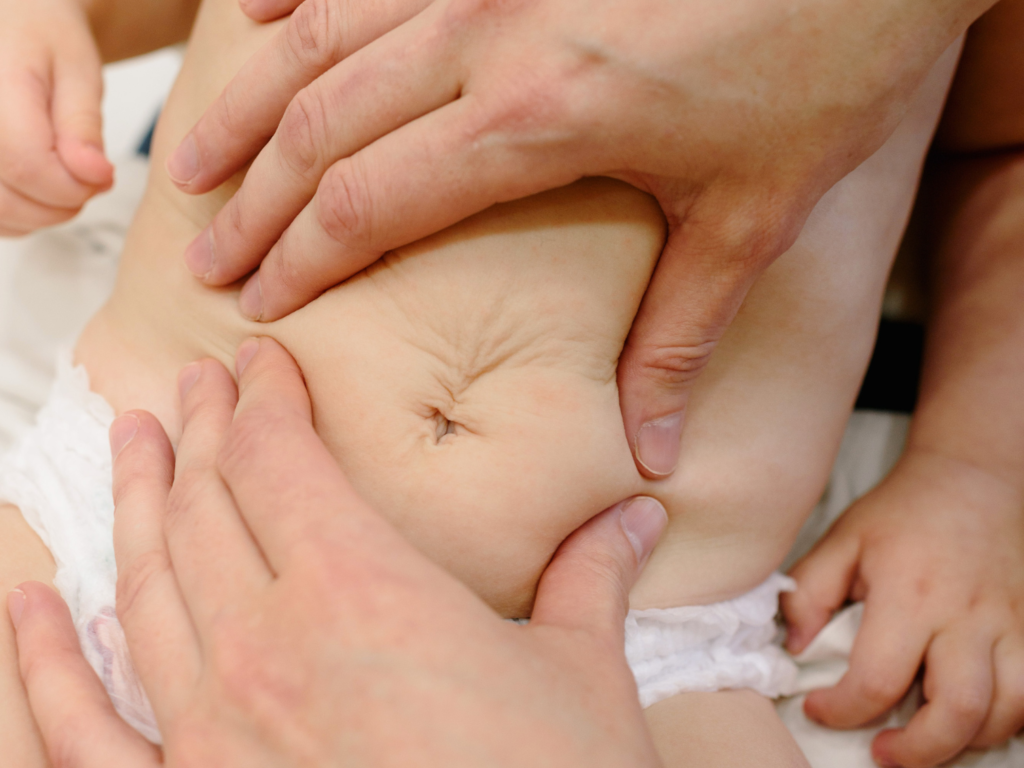
newborn Baby Belly Button

Gathering Recommended Cleaning Supplies

Before cleaning the belly button, gather together the supplies you’ll need:

  • Cotton swabs or a soft, clean washcloth
  • Warm water
  • Mild soap or baby body wash/shampoo
  • Clean towel to pat dry
  • Diaper, tissue, or more cotton balls to absorb moisture
  • Non-alcohol wipes (optional)
  • Petroleum jelly or coconut oil (optional)
  • Sterile gauze to cover the area (optional)

Avoid using rubbing alcohol and hydrogen peroxide, as these can dry out and irritate the sensitive skin. Harsh soaps should also be avoided. Warm water and a gentle baby cleanser are ideal for cleaning the area safely.

Step-By-Step Instructions for Proper Cleaning Baby Belly Button

Cleaning your newborn’s belly button takes only a minute or two each time. Follow these steps:

Step 1: Wash Hands and Assemble Supplies

Start by washing your own hands thoroughly with soap and warm water. Newborns are susceptible to infection, so handwashing is crucial. Then gather all the necessary supplies and place them within easy reach.

Step 2: Dip Cotton Swab in Warm Water and Gently Clean the Area

Moisten the cotton swab, cloth, or cotton ball with warm water and a small amount of the mild cleansing solution. Gently wipe around the outer edges of the belly buttonhole. Try not to insert the swab or cloth deep down into the navel itself, as this can cause pain or injury.

Cleanse the area around the belly button well, but do not rub vigorously. The skin is extremely delicate. Be sure to get the outer folds, creases, and any dried discharge.

Step 3: Pat Dry

Use a soft, clean towel or tissue to gently pat the belly button area dry after cleaning. Avoid vigorous rubbing. Allowing moisture to remain can lead to infection, so patting it fully dry is important. You can also place a dry cotton ball or piece of cloth over it to draw out any remaining moisture.

Step 4: Apply Petroleum Jelly or Coconut Oil (Optional)

Applying a very thin layer of petroleum jelly or coconut oil can help keep the skin moisturized as it finishes healing. Both have antimicrobial properties to fight infection. Use a clean finger or cotton swab to gently apply.

Step 5: Cover with Sterile Gauze (Optional)

For extra protection, cut a small square of sterile gauze and place it loosely over the belly button. Avoid using regular adhesives. You can secure it with medical tape or a gentle baby-safe adhesive if needed. This can help shield the sensitive skin.

Signs of Infection to Watch For

It’s normal to see a little clear or yellow discharge as the belly button heals. However, call your pediatrician promptly if you notice any of the following:

  • Persistent foul odor
  • Spreading redness
  • Pus or cloudy discharge
  • Worsening swelling and inflammation
  • Bleeding or oozing from the site
  • Fever over 100.4°F
  • Excessive fussiness or crying from your baby

These could indicate an infected belly button, which requires medical treatment. Omphalitis can progress rapidly in newborn babys so contact your doctor right away.

Belly Button

How Often to Clean the Area

During the first month after the cord stump falls off, the belly button should be cleaned at every diaper change. This helps prevent any buildup of bacteria.

After the first month, continue cleaning it at least once a day until it has fully closed up. Clean more frequently if the area seems irritated or dirty. Keep cleaning the site until the belly button has completely healed, usually within 1-2 months.

Common Cleaning Mistakes and Risks

Although cleaning the belly button is simple, there are a few risks and mistakes to avoid:

  • Using alcohol-based wipes can dry out the skin leading to cracks and irritation.
  • Inserting cotton swabs or cloths too far down into the belly button hole can cause pain and injury. Clean only the outer edges.
  • Not patting the skin dry fully can allow moisture to linger, increasing infection risk.
  • Vigorous scrubbing or rubbing can damage the extremely delicate healing skin. Always be gentle.
  • Forgetting to wash hands thoroughly before cleaning the area can introduce bacteria.

FAQs

How long does it take for my baby’s belly button to fully heal after the cord falls off?

A: It typically takes 1-2 months for the belly button to fully close, heal, and appear like a “normal” innie belly button. However, every baby heals at a slightly different rate.

What should I do if the belly button area smells foul?

A: A bad odor likely signals an infection. Contact your pediatrician right away if you notice any foul or fishy smell from the site.

Is light bleeding normal? What if the belly button bleeds a lot?

A: A tiny bit of bleeding can sometimes occur and is usually normal. However, apply gentle pressure and call your pediatrician if you notice excessive bleeding from the umbilicus.

Can I bath my newborn before the cord stump falls off?

A: Yes, you can bathe your baby gently even with the cord stump attached. Avoid submerging the stump underwater. Keep the area dry.

What if my baby’s belly button doesn’t close up properly?

A: In rare cases, the belly button may remain open too long or fail to close. Consult your pediatrician if the navel stays open longer than 2 months. Surgery may be required to close it.

In Conclusion

Caring for your newborn’s belly button does require some extra attention, but with a gentle approach and the right information, you can easily keep the area clean and prevent infection. Monitor the site closely, especially during that first month as it finishes healing. With proper hygiene and prompt treatment for any signs of infection, you can help your little one’s adorable new belly button heal properly.

The arrival of your newborn baby is an exciting and amazing time. As you get to know your little one and adjust to life as a new parent, there is a lot to learn about caring for an infant. While every child is unique, there are some universal tips and information that can help you feel more prepared and confident during the newborn stage.

This article will cover 10 key things you should know about feeding, sleeping, development, safety, and more when it comes to welcoming your bundle of joy home.

Feeding Your Newborn

One of the most important jobs you have as a new parent is making sure your baby is properly fed. Whether you choose to breastfeed or formula feed, having the right information can help ensure your child gets the nutrition they need in those critical early months.

Breastfeeding vs. Formula Feeding

This is a very personal decision based on your preferences and circumstances. Both breast milk and formula can provide complete nutrition. Here are some factors to consider:

  • Benefits of breastfeeding: Breastmilk provides ideal nutrition and contains antibodies that boost your baby’s immune system. It’s easier to digest, so may reduce fussiness. Breastfeeding releases hormones that promote bonding between mom and baby. It’s free and convenient – no bottles to wash or formula to purchase.
  • How to establish a good breastfeeding routine: It can take some time for both baby and mom to get the hang of breastfeeding. Expect to feed 8-12 times per day in the early weeks. Ensure proper latch by bringing baby to breast with a wide open mouth. Schedule lactation consultant visits if needed. Be patient through growth spurts.
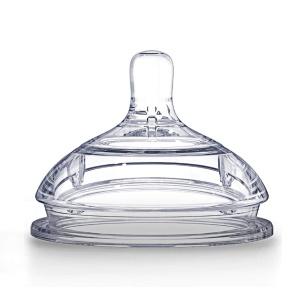
  • Tips for bottle feeding with formula: Choose an infant formula and pick a system like ready-to-feed bottles, powder, or liquid concentrate. Follow instructions closely when preparing and storing bottles. Test temperature before feeding. Try different nipple flows if the baby seems frustrated. Burp halfway through feeds.

No matter how you choose to feed your infant, one of the best gifts you can give your new arrival is nutrition and nourishment. Don’t hesitate to ask for help from lactation consultants, your pediatrician, or other moms.

Feeding Schedules and Cues

New parents often wonder if they should follow a strict feeding schedule or just feed on demand. Here are some tips:

  • Feed on demand rather than strict schedules: Let your baby’s hunger cues guide when to feed rather than the clock. This ensures baby gets enough milk as appetite increases. Crying is a late hunger cue – learn early signs like smacking lips.
  • Look for early hunger cues: Babies first show signs like increased alertness, rooting, and mouthing hands. Crying tends to come later after other cues have been missed. Ideal to start feeding at first signs of readiness.
  • Expect 8-12 feeds per day: Newborns need to eat frequently. For breastfed babies, aim for 8-12 feedings daily or whenever the baby shows interest. Bottle-fed infants may take less but larger volumes per feed.

As you get to know your baby’s patterns, feeds will start to fall into a loose routine. However, avoiding strict scheduling allows you to adapt to growth spurts and changing needs.

Proper Latching and Positioning

A good latch is crucial for successful breastfeeding. Here are some tips for proper technique:

  • Get comfortable and supported: Sit upright in a chair or propped up in bed. Use pillows under the elbow and behind the back. Relax shoulders and bring baby to breast level – avoid hunching over.
  • Aim for a wide open mouth: Lightly tickle lips to encourage mouth opening. Pull the baby straight on the chest for optimal head tilt. Target a mouth wide over the areola, not just the tip.
  • Readjust if feed seems painful: Pain is a sign of improper latch. Break the suction gently with a finger. Reposition nipple deeper and rotate the baby slightly for a new attempt.
  • Consult lactation specialists: Meet with one within days of birth and anytime thereafter if struggling with latch or discomfort. Getting positioned correctly is key.

Don’t hesitate to ask the nurses for help establishing that first latch while still in the hospital. A good experience in those early feeds will set you up for success.

Newborn Sleep Patterns

In the first few months of life, expect a baby’s sleep cycles to be quite different from older children or adults. Being prepared for the unique newborn sleep rhythms can prevent worry about whether the baby is getting adequate rest.

Short Sleep Cycles

Newborns typically sleep a total of 14-17 hours per day but only take short naps of 1-2 hours before waking again. Here’s what to expect:

  • Sleep in 1-3 hour increments: Total sleep is plentiful but broken up. As the baby’s sleep cycles mature, naps will lengthen. Don’t try to force longer stretches.
  • Be prepared for night wakings: For night feedings every 2-3 hours at first. Gradually space out as the baby takes more volume at each feed. Sleeping through the night comes later.
  • Swaddling can help: Mimic the coziness of the womb. Prevents startling awake. Allows some longer stretches but doesn’t eliminate night wakings.

Frequent wakings can be tiring for parents. But rest assured this slapdash pattern is developmentally normal and will improve over the first few months.

Creating Day/Night Routines

As baby matures, their biological clock starts to recognize the difference between night and day. Here are some tips to help encourage longer night time sleep:

  • Encourage daytime alertness: More activity during daylight hours helps baby recognize day vs. night. Talk, sing, read books, provide tummy time.
  • Keep feedings business-like at night: Avoid stimulation by keeping lights dim with limited talking or eye contact during night feeds.
  • Put baby down drowsy but awake: Allows baby to learn to self soothe without being rocked fully to sleep. Aim for consistent nap/bedtimes.

Setting good sleep habits now pays off down the road. But be patient – it takes weeks or months to make progress synchronizing with the circadian rhythms.

Safe Sleep Practices

Creating a safe sleep environment is crucial for your newborn, both for naps and at nighttime. Follow these recommendations:

  • Place baby alone on their back: Share a room but not the same bed. Back sleeping reduces SIDS risk. Use a firm, safety-approved crib mattress.
  • Avoid soft bedding: No pillows, blankets, bumper pads, or plush toys which can impair breathing. Swaddle instead.
  • Choose sleepwear carefully: Use sleep sacks instead of loose blankets. Make sure baby’s head remains uncovered.
  • Room sharing recommended: Having baby sleep in your room but in their own crib for the first 6-12 months is associated with lower SIDS rates.
  • Check safety standards: Ensure all nursery products from cribs to swings meet current CPSC safety standards and have not been recalled.

Your baby will outgrow the strict safe sleep rules eventually. But following best practices in the vulnerable early months helps protect your precious little one.

Crying and Comforting Your Newborn

Fussiness and crying are part of normal newborn behavior. Understanding the common reasons babies cry along with effective soothing techniques will help you feel empowered responding to your infant.

Decoding Your Baby’s Cries

Babies cry for different reasons. Learning to recognize your baby’s cries can help you respond appropriately.

  • Hunger: Short, low-pitched cry. May smack lips. Calms when fed.
  • Tiredness: Crying with eye rubbing, yawning. Try swaddling and white noise.
  • Discomfort: Sudden, shrieking wail. Check diaper, burp, or reposition.
  • Overstimulation: Arched back, flushed face. Lower lights and noise, offer pacifier.

Try not to become frustrated. With time you’ll learn to interpret your baby’s cries based on the intensity, timing, and associated behaviors.

Colic

Colic is intense, inconsolable crying in otherwise healthy babies that peaks in the evening and lasts for hours. Symptoms start at 2-3 weeks and improve after 12 weeks. It is not your fault and does not indicate poor parenting.

  • Try remedies like swaddling, white noise, swing naps, baby carriers, and soothing rides in the car. Sometimes nothing relieves a colicky baby – and that’s normal.
  • Consult your pediatrician if concerning or causes caregiver distress. Medication is rarely needed but rule out other issues.
  • Take breaks when needed. It’s OK to set baby in a safe place like the crib and take time to regroup when you’ve hit your limit. Self-care helps prevent burnout.

While extremely challenging, rest assured that colic does eventually pass. Support and patience gets parents through this difficult period.

The Period of PURPLE Crying

Many babies go through a phase of frustrated crying that peaks around 6-8 weeks then improves by 3-4 months. Experts call this the Period of PURPLE Crying:

  • Peak pattern – crying peaks around 2 months then eases up
  • Unpredictable – crying for no apparent reason
  • Resistant to soothing – continues despite your best efforts
  • Pain-like look – a distressed facial expression during outbursts
  • Late afternoon/evening cluster – occurs more in late day/early evening
  • Extended duration – crying bouts last over an hour

This is a normal phase driven by baby’s developing nervous system. Respond with loving comfort but avoid feelings of frustration or failure if baby remains inconsolable.

Newborn Development

In the first weeks and months, you will witness your newborn master many exciting developmental milestones. These include motor, sensory, social, and communication skills.

Milestones in the First Months

Here are some milestones to look for in your baby’s first months:

  • Fixates on faces and objects 8-12 inches away – their initial eyesight range. Provide high contrast toys.
  • Learns to settle when being held and comforted – feels secure with your support.
  • Begins cooing and smiling – first social communication!
  • Startle reflex fades – they learn to self-calm when stimulated.
  • Head control improves – they hold head up briefly when on tummy, can turn head side to side.
  • Holds objects placed in hand – discovers their hands through touch.
  • Holds head up 90 degrees when on tummy – building strength through tummy time.
  • Begins swiping at and eventually grasping toys – eye-hand coordination emerging.

It’s amazing to witness your baby gain new abilities almost daily in their first few months. Keep notes on these exciting milestones.

Tummy Time

Placing your baby on their tummy when awake and supervised helps build neck, shoulder and trunk strength needed for key milestones like rolling over, sitting up, and crawling.

  • Start with just a few minutes once or twice a day. Increase as baby shows they enjoy the activity. Place toys nearby to swipe at.
  • Lay on a firm surface – blanket on floor, play mat or your chest. Always supervise.
  • Try tummy to tummy – lay facing baby so they are motivated to lift their head to see you.

Don’t worry if they fuss at first. Given frequent practice, babies quickly adapt to tummy time and it becomes an important part of their routine.

Tracking Growth

Frequent weight checks and measurements ensure your baby is growing well and allow early intervention if any issues emerge. Here’s what to expect at routine well visits:

  • 1 week visit: The pediatrician will check baby’s weight, length, and head circumference. Discuss breastfeeding progress and jaundice.

  • 1 month visit: Same measurements and milestone check. May give first immunizations. Talk about sleep and fussiness issues.
  • 2 month visit: Growth measurements and vaccines. Discuss sleep, feeds, development. Check vision and hip joints.

Don’t hesitate to discuss any concerns like poor weight gain, developmental delays, persistent reflux or colic at these crucial well visits. Monitoring growth allows your pediatrician to spot problems early.

Newborn Health and Safety

In addition to nutrition, proper hygiene, health practices, and safety steps help keep your baby thriving.

Bathing and Grooming

Newborn skin is delicate and baths are not needed daily at first. Start with sponge baths and limit immersion until the umbilical cord falls off around 1-4 weeks.

  • Wash skin folds thoroughly. Use damp cloth to clean under neck, arms and diaper area where milk or urine can collect.
  • Trim nails frequently. Newborns have sharp little nails that tend to scratch. Use baby clippers or baby nail file weekly.
  • Care for any skin irritation. Use barrier cream on rashes. Allow wet skin to air dry fully after washing.
  • Handle baby gently. Their young bones are fragile. Support head during baths. Careful when cleaning delicate genital areas.

Caring for your baby’s hygiene needs provides bonding time. You’ll quickly become an expert at diapering, dressing, grooming and soothing your little one.

Recognizing Illness

While worrying about every sneeze is normal, learn to spot true signs of illness that warrant medical attention.

  • Take temperature rectally if fever is suspected. Fevers warrant caution in infants under 3 months. Call doctor if over 100.4°F.
  • Look for signs of respiratory distress: labored, rapid or wheezy breathing, coughing, nasal congestion or discharge.
  • Trust your instincts if baby seems unwell. You know your child best. Better to have doctor examine than miss something serious.

Your pediatrician will educate you about responding to illnesses, whether managing at home or seeking urgent care. Don’t delay getting medical advice.
Babyproofing Your Home

Creating a safe environment allows your baby to explore while minimizing harm once mobility increases. Key tips:

  • Install safety devices on cabinets, drawers, toilets. Use corner guards and edge bumpers. Cover outlets.
  • Keep small objects out of reach. Small items are choking hazards. Mount TVs securely.
  • Check CPSC recalls for nursery items from cribs to baby carriers and swings. Remove any hazardous products.

You’ll likely need to re-babyproof as your child becomes increasingly mobile. For now, focus on safety in main areas like the nursery, living spaces and kitchen.


FAQs:

How much should a newborn eat?

For breastfed babies, allow your infant to nurse on demand to get the milk volume they need. Expect 8-12 feedings or more daily in the early weeks. Bottle-fed babies may take 2-3 ounces per feeding to start, increasing ounce per day until taking 4-5 ounces at a time.

How do I burp my newborn?

Try burping halfway through a feeding and at the end. Gently rest baby upright over your shoulder and pat or rub their back. Alternate patting with gentle circular rubbing until you hear a good burp. Using a burp cloth under baby’s mouth helps catch any spit up.

What temperature should a house be for a newborn?

Ideal room temperature for a newborn is 68-72°F. Dress your baby in one more layer than you are wearing to avoid chilling or overheating. Place a fan nearby rather than bundling baby if they feel hot.

How do I know if my newborn is getting enough breastmilk?

Signs baby is getting sufficient milk include: hearing swallowing sounds during feeds, 6 or more wet diapers daily, soft and seedy yellow bowel movements, alertness, and steady weight gain verified at pediatrician visits. Consult a lactation consultant if concerned.

When can a newborn use a pacifier?

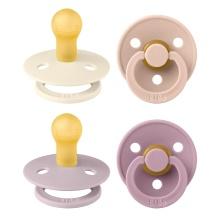
Introducing a pacifier is fine after breastfeeding is well established, usually around 3-4 weeks old. Don’t force it if baby resists. Limit pacifier to naps and bedtime, avoiding overuse that can interfere with consistent feeding times or reduce interest in breast.

Conclusion

The first weeks and months with your newborn will be filled with ups and downs. Don’t hesitate to rely on your medical providers, family, and community for advice and support. With time you’ll gain confidence in caring for your baby and delight in getting to know your little one’s unique personality. Trust your instincts and enjoy this precious period of your life as a new family.

Guiding Your Family Through Change

From Hospital to Home

The Fourth Trimester Transition

Confidence, Rest & Rhythm

Expert Support for Your New Normal